Analyzing synchronization protocols linking reward structures to live interactive sessions in portable gaming ecosystems
Written by Theo Günther · Jun 8, 2026
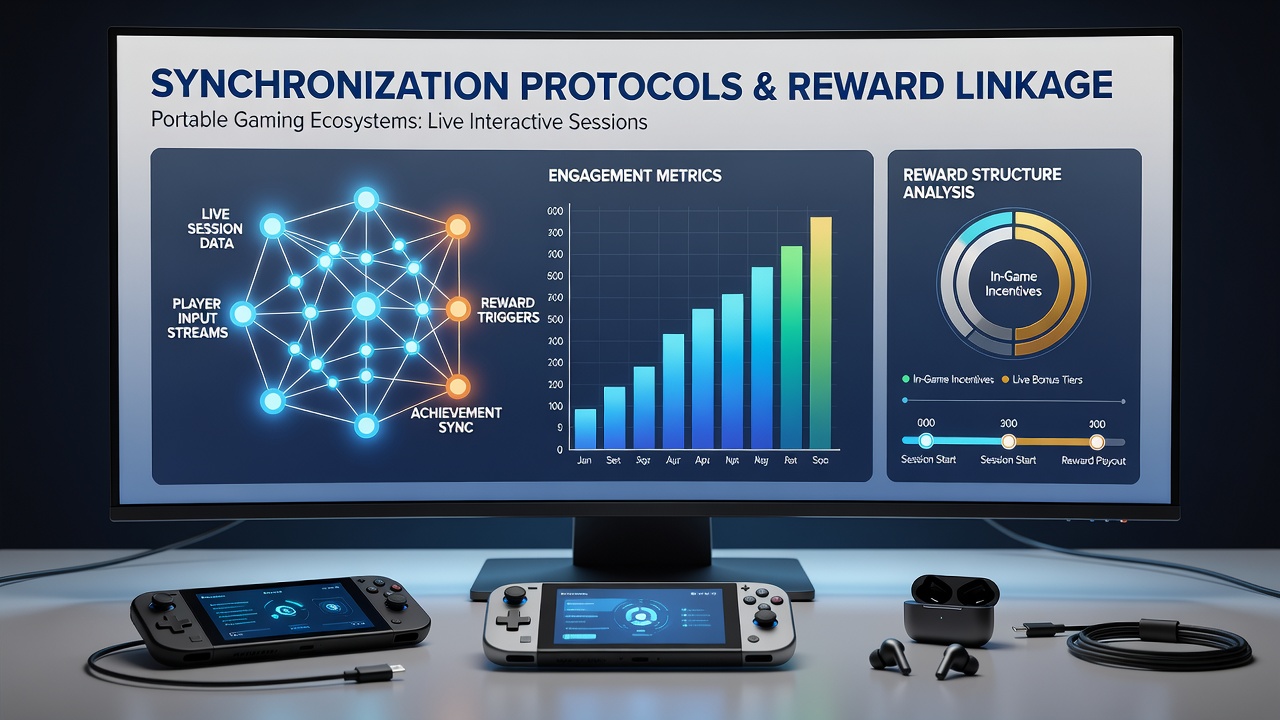
Analyzing synchronization protocols linking reward structures to live interactive sessions in portable gaming ecosystems
Portable gaming ecosystems rely on synchronization protocols that connect reward structures directly to live interactive sessions, enabling seamless data exchange between mobile devices and central servers while players engage with games in real time. These protocols handle timing, data integrity, and session continuity across varying network conditions, which allows reward calculations to update instantly based on player actions during live dealer interactions or slot tournaments.
Core Components of Synchronization Protocols
Developers implement protocols such as WebSocket connections and RESTful APIs to maintain consistent states between client applications and backend systems, whereas older polling methods have largely given way to event-driven architectures that push updates only when relevant changes occur. Research indicates that these systems track session metrics including bet amounts, game outcomes, and participation duration, then map those metrics to reward tiers without interrupting the live experience. Observers note that latency under 100 milliseconds remains a common benchmark for maintaining player engagement during interactive sequences, especially when multiple users compete in the same session.
Security layers integrate with these protocols through token-based authentication and encrypted channels, which prevents tampering with reward data as it travels between portable devices and centralized platforms. Data shows that many ecosystems employ checksum verification at each synchronization point to confirm that reward adjustments match the recorded session events exactly.
Integration with Reward Structures
Reward structures in portable gaming tie directly to live session data through algorithms that adjust bonus multipliers, loyalty points, and cashback amounts according to real-time performance indicators. For instance, a player completing consecutive wins in a live table game may trigger an immediate protocol response that credits loyalty points before the next round begins. Studies from academic institutions have examined how these linkages influence retention rates, revealing that synchronized reward delivery correlates with longer average session times across tested mobile applications.
Protocol designers often use state machines to model possible reward states, allowing the system to transition smoothly when a live session ends or pauses due to connectivity shifts. This approach ensures that partial progress toward a reward threshold carries over correctly if a player resumes on another device, a feature that has gained traction as cross-platform play expands.

Performance in Live Interactive Environments
Live interactive sessions introduce additional demands on synchronization because they involve continuous streams of dealer actions, player decisions, and community events that must align across all participants. Protocols address this by prioritizing certain data packets, such as those carrying outcome results, while queuing less time-sensitive reward updates for batch processing. Figures from industry reports compiled as of June 2026 show that optimized systems reduce desynchronization incidents by over 40 percent compared with earlier implementations, particularly in high-traffic periods.
Geolocation services sometimes feed into these protocols to verify player eligibility for region-specific rewards during live sessions, adding another verification step that runs alongside core synchronization tasks. Those who have analyzed network traffic patterns in mobile gaming note that adaptive bitrate streaming works in tandem with reward protocols to keep both video feeds and data exchanges stable on variable connections.
Challenges and Technical Solutions
Network variability poses ongoing challenges for synchronization, since dropped packets or fluctuating bandwidth can interrupt the flow of reward updates during extended live sessions. Solutions include local caching of session states with periodic reconciliation once connectivity stabilizes, along with fallback mechanisms that preserve reward eligibility even if full synchronization is delayed. According to data released by the New Jersey Division of Gaming Enforcement, operators must demonstrate that their systems maintain accurate reward records under simulated outage conditions before receiving certification for live mobile offerings.
Scalability testing reveals that protocols handling thousands of concurrent sessions require distributed ledger elements or sharded databases to avoid bottlenecks when reward calculations spike during promotional events. Researchers at various technical institutes have documented cases where load-balancing algorithms successfully distributed synchronization tasks across multiple nodes without affecting the timing of live game events.
Regulatory and Industry Considerations
Regulatory frameworks in multiple jurisdictions require operators to document how synchronization protocols protect the integrity of reward structures linked to live sessions, with audits focusing on audit trails that record every data exchange. The Australian Communications and Media Authority has issued guidance emphasizing transparent logging practices that allow verification of reward allocations against actual session activity. These requirements drive the adoption of standardized protocol extensions that facilitate third-party audits while preserving real-time performance.
Industry organizations continue to develop interoperability standards that let different gaming platforms share synchronization frameworks, reducing development costs for reward systems that span multiple live interactive titles. Observers point to ongoing pilot programs testing these standards in controlled environments, with initial results indicating improved consistency in how rewards propagate across devices and operators.
Conclusion
Synchronization protocols form the backbone that connects reward structures to live interactive sessions in portable gaming ecosystems, supporting accurate, timely updates that reflect player activity across diverse network conditions. Technical refinements in latency management, security integration, and scalability continue to shape how these systems evolve, while regulatory oversight ensures accountability in reward delivery. As mobile ecosystems expand, the ability of protocols to maintain seamless linkages between sessions and rewards remains central to operational reliability across the sector.