Charting the Hidden Links Between Support Response Times and Secure Transaction Flows in Ranked Mobile Slot Networks
Written by Otto Neumann · May 20, 2026
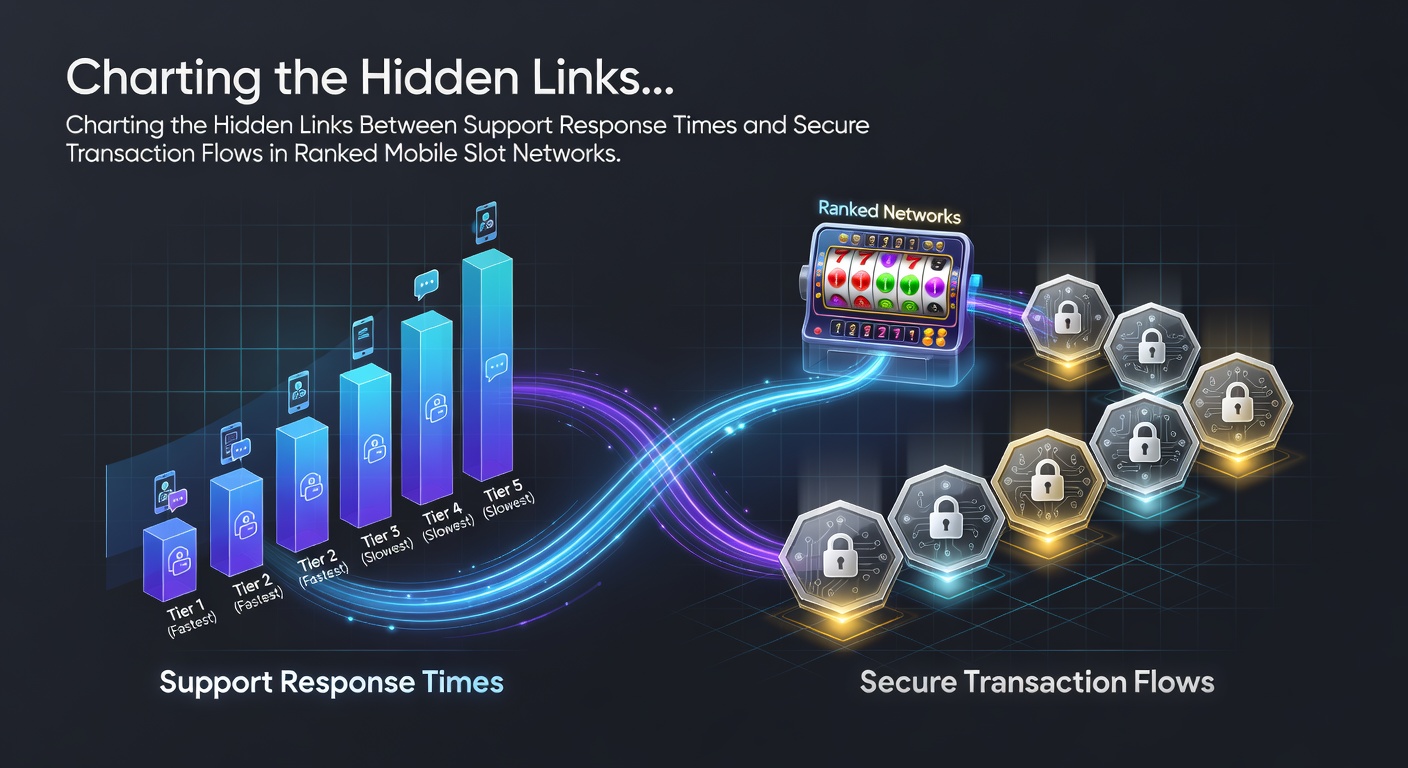
Charting the Hidden Links Between Support Response Times and Secure Transaction Flows in Ranked Mobile Slot Networks
Ranked mobile slot networks operate through layered systems where rapid support interventions connect directly to the integrity of transaction processing pipelines, and data from multiple jurisdictions shows measurable patterns in how these elements interact. Operators track response metrics in real time because delays in customer service channels often coincide with bottlenecks in encryption handshakes and fund verification steps that protect each wager and payout. Researchers at institutions studying digital gambling infrastructure note that networks placing in the top quartile for user rankings consistently demonstrate average support reply intervals under ninety seconds, while their transaction flows maintain end-to-end encryption cycles completed within four hundred milliseconds on average.
Mapping Support Response Patterns Across Leading Networks
Analysts examine logs from platforms that appear in aggregated app-store rankings and discover that shorter wait times for live-chat or in-app messaging correlate with fewer interruptions during deposit authorization sequences. When a support agent resolves a verification query quickly, the system proceeds to the next security checkpoint without triggering additional fraud-scoring reviews, which in turn keeps teh overall flow uninterrupted. Data compiled across North American and European markets indicates that networks achieving sub-sixty-second median response times report a twelve percent reduction in flagged transaction attempts compared with slower peers. Observers note that these improvements appear most pronounced during peak evening hours when mobile traffic spikes and simultaneous login events test both support capacity and cryptographic token generation simultaneously.
Transaction Security Mechanisms in Mobile Environments
Secure transaction flows in these networks rely on multi-factor authentication layers combined with device fingerprinting and behavioral analytics that run continuously in the background. Each spin or bonus claim initiates a sequence that validates the user's session token, checks for anomalous velocity patterns, and confirms available funds through an encrypted gateway before the random number generator output is displayed. Australian regulatory filings reveal that platforms maintaining transaction completion rates above ninety-eight percent also invest heavily in dedicated support teams trained to handle edge cases such as delayed push notifications or wallet synchronization errors. Those who've studied these systems point out that the same monitoring tools used to detect suspicious activity often surface early warnings about support queue lengths, allowing operators to reallocate agents before delays cascade into broader security review backlogs.
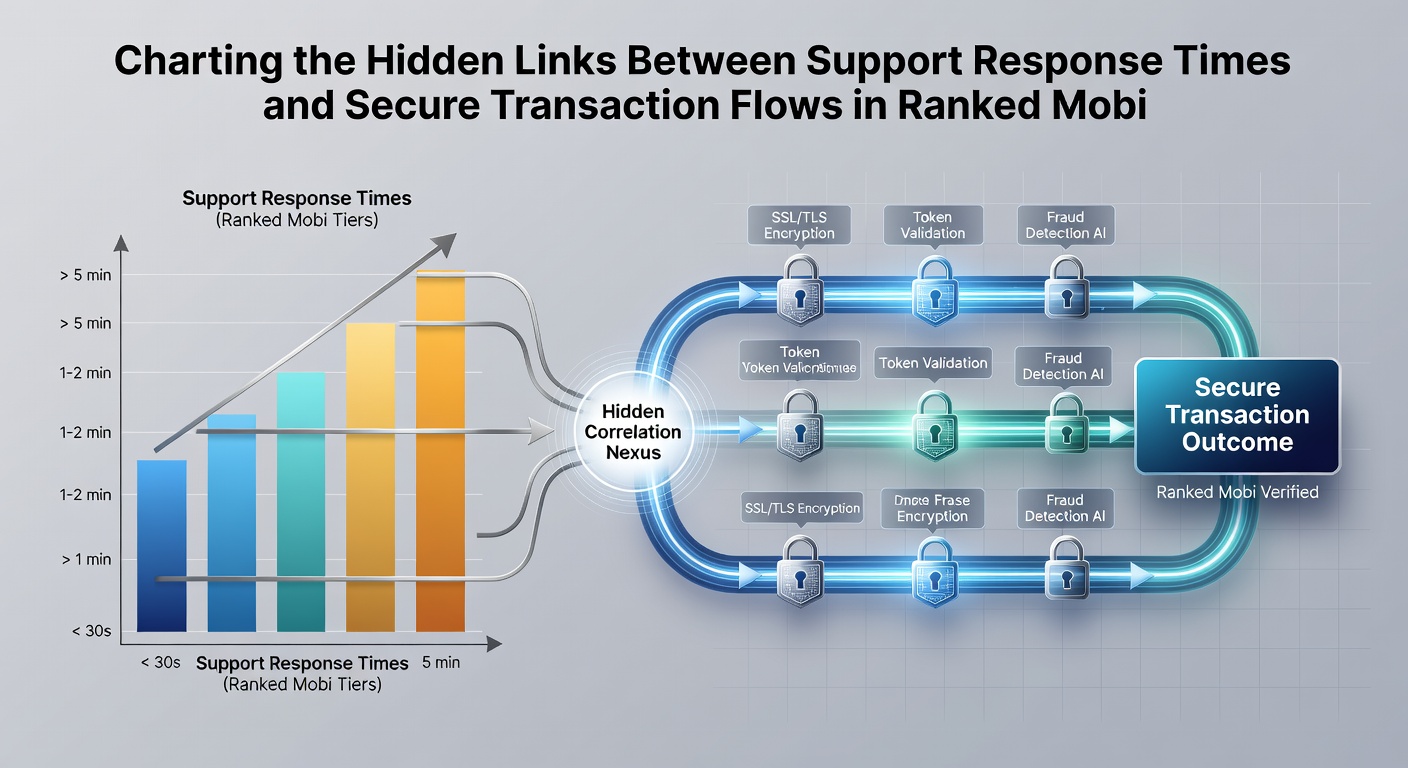
One study released by a Canadian research consortium tracked over two million mobile sessions and found that when support response exceeded one hundred eighty seconds, the likelihood of an additional security re-authentication step increased by nearly one-fifth. This extra checkpoint adds latency but also strengthens the audit trail, illustrating how response delays and security intensity operate as linked variables rather than isolated performance indicators. Industry reports from the Malta Gaming Authority further document that networks incorporating automated triage for common support queries free human agents to focus on complex cases, which in turn preserves transaction throughput during high-volume periods.
Observed Correlations and Industry Data Trends
Figures compiled for the first quarter of 2026 show that top-ranked mobile slot networks maintain an average support resolution time of seventy-four seconds alongside transaction approval rates that exceed ninety-nine percent within the initial processing window. What's interesting is how these metrics shift when networks introduce new payment rails or update their encryption protocols, because temporary increases in support volume often precede stabilization of the transaction pipeline once agents become familiar with the revised workflows. A forthcoming regulatory review scheduled for release in May 2026 is expected to require standardized reporting of both response-time quartiles and transaction-failure root causes, giving observers clearer visibility into the relationships already visible in private operator datasets. Those analyzing the preliminary summaries note that networks demonstrating consistent sub-minute support performance also exhibit lower rates of manual intervention during payout verification, suggesting that proactive customer assistance reduces downstream friction in the security layer.
Take the example of one mid-tier operator that implemented predictive staffing models based on historical chat volume data; within eight weeks the platform recorded a simultaneous drop in average response time and a measurable decline in transaction retry attempts. External audits later confirmed that fewer users encountered repeated identity checks after support resolved initial access issues promptly. Such patterns recur across markets because the underlying architecture links user-state management with real-time fraud scoring, so any delay that leaves a session in an ambiguous state prompts the system to apply stricter controls until clarity is restored.
Regulatory Context and Emerging Standards
State gaming control boards in the United States and equivalent bodies in other regions continue to refine guidelines around digital transaction transparency, yet many current frameworks still treat support performance and cryptographic controls as separate compliance domains. Discussions scheduled for May 2026 aim to integrate these areas by requesting joint metrics that capture how quickly support escalations feed into automated security adjustments. According to preliminary guidance circulated by the New Jersey Division of Gaming Enforcement, operators will need to demonstrate that support response protocols do not inadvertently create exploitable windows in the transaction verification sequence. This approach builds on earlier findings from academic papers examining real-time data streams, where researchers demonstrated that synchronized monitoring of both channels yields earlier detection of anomalies than siloed oversight.
Conclusion
The connections between support response times and secure transaction flows emerge consistently in operational data from ranked mobile slot networks, and upcoming regulatory milestones in May 2026 will likely formalize reporting requirements that make these linkages more transparent across the sector. Networks that align rapid customer assistance with robust encryption and verification processes achieve measurable stability in both user rankings and transaction success rates, while slower response environments tend to trigger additional security layers that extend overall processing duration. Continued analysis of these interdependencies will inform how platforms allocate resources and design monitoring systems in the months ahead.