Connections Between Accessibility Features and Transaction Security in Mobile-First Casino Platforms with Diverse Game Offerings
Written by Theo Günther · Jul 10, 2026
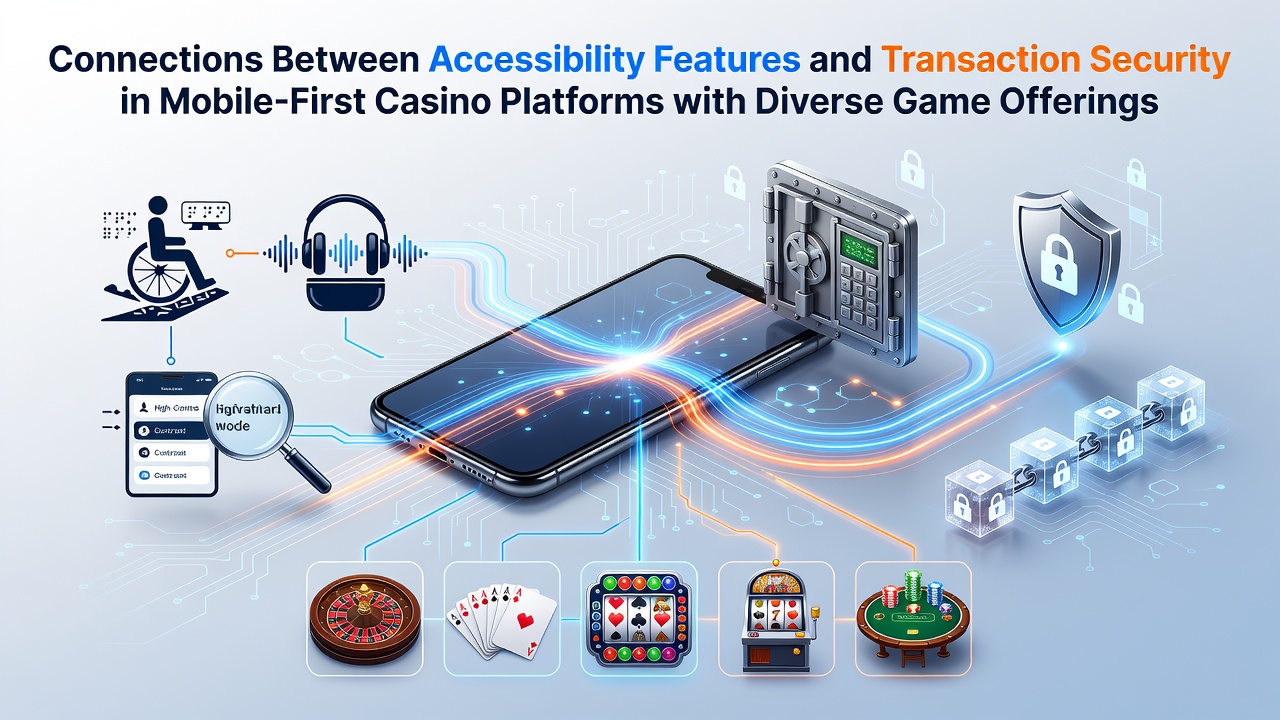
Connections Between Accessibility Features and Transaction Security in Mobile-First Casino Platforms with Diverse Game Offerings
Mobile-first casino platforms continue expanding their reach in 2026, and observers note clear overlaps between accessibility tools and transaction safeguards across systems that host slots alongside live dealer tables and virtual sports. These connections emerge because developers must design interfaces that serve users with visual or motor impairments while maintaining encryption layers and verification steps that protect deposits and withdrawals.Core Accessibility Elements in Mobile Gaming Apps
Platforms incorporate screen reader compatibility, adjustable text sizes, and voice navigation to meet standards from groups like the World Wide Web Consortium. Users activate these features through device settings, and data from July 2026 platform audits show increased adoption rates among players who rely on them for navigation through extensive game libraries. High-contrast modes and haptic feedback further support engagement, particularly when switching between reel-based titles and interactive card games.
Transaction Security Frameworks
Security protocols rely on biometric authentication, token-based encryption, and real-time fraud monitoring to process payments across diverse payment methods. Researchers at institutions tracking digital gaming report that mobile systems integrate these measures directly into app architecture, reducing exposure during high-volume periods such as tournament entries or progressive jackpot claims. Multi-factor checks occur at deposit stages, while withdrawal flows include additional identity confirmation layers that align with regional regulatory requirements from bodies in North America and Europe.
Integration Points Between Accessibility and Security
Voice commands now double as secure authentication triggers in several leading applications, allowing hands-free login that bypasses traditional password entry yet preserves end-to-end encryption. This dual function appears because accessibility teams collaborate with security engineers to embed features like adaptive keyboards that still trigger device-level biometric scans. Observers note that such overlaps prevent accessibility accommodations from creating vulnerabilities, especially when platforms manage simultaneous sessions across slots, table games, and live streams.
One documented case involves a major operator updating its app in early 2026 to route accessible payment confirmations through the same secure channel used for standard transactions. The result maintains compliance while expanding participation for users who previously encountered barriers during checkout flows.
Effects on Platforms with Varied Game Portfolios
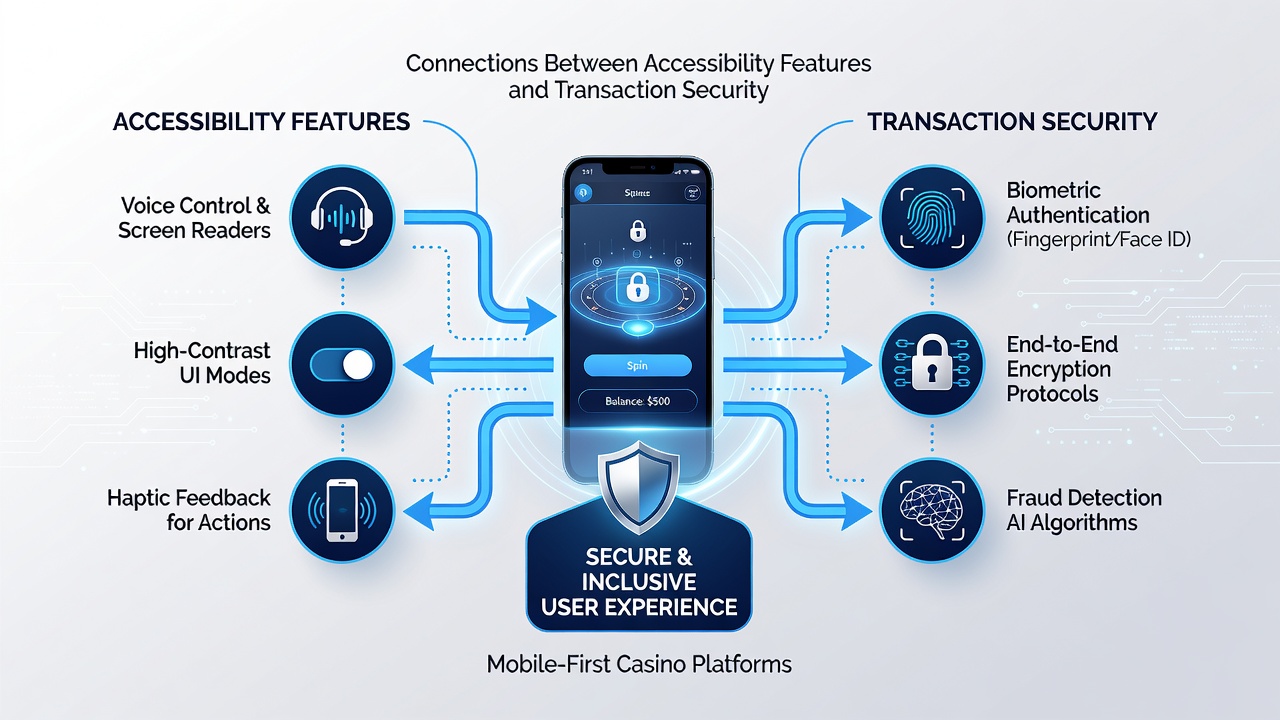
Slots often feature simpler transaction sequences that pair easily with accessibility overlays, whereas live dealer environments demand synchronized audio descriptions and secure chat functions. Data indicates platforms handling both categories apply unified security tokens across game types, ensuring that accessibility adjustments in one section do not weaken verification elsewhere. Studies from academic centers focused on human-computer interaction reveal that seamless transitions between game modes rely on consistent backend security policies rather than isolated fixes.
Additional examples include platforms that embed accessible fund management dashboards directly into game lobbies. These dashboards display transaction history with screen-reader support while enforcing the same encryption standards applied to in-game purchases or bonus activations.
Regulatory and Technical Developments in Mid-2026
Updates rolled out around July 2026 emphasized unified testing protocols that evaluate both accessibility compliance and transaction integrity in single review cycles. Industry reports from organizations such as the American Gaming Association highlight how these combined assessments reduce deployment delays for new game releases. European regulators in several jurisdictions have issued parallel guidance that encourages operators to document how accessibility modifications interact with payment authentication flows.
Technical teams increasingly adopt modular code structures that isolate accessibility scripts from core security modules, yet allow controlled data sharing for verification purposes. This approach supports rapid addition of new titles without compromising existing safeguards.
Conclusion
Connections between accessibility features and transaction security continue shaping mobile casino development, particularly on platforms that maintain broad selections of games. Integration occurs through shared authentication methods, coordinated testing, and regulatory alignment that treats both areas as interdependent rather than separate concerns. Continued monitoring of these links will determine how future updates balance user inclusion with payment protection across expanding digital ecosystems.