Decoding algorithmic ties between loyalty tier advancements and session volatility metrics in regulated digital wagering platforms
Written by Theo Günther · Jul 29, 2026
Decoding algorithmic ties between loyalty tier advancements and session volatility metrics in regulated digital wagering platforms
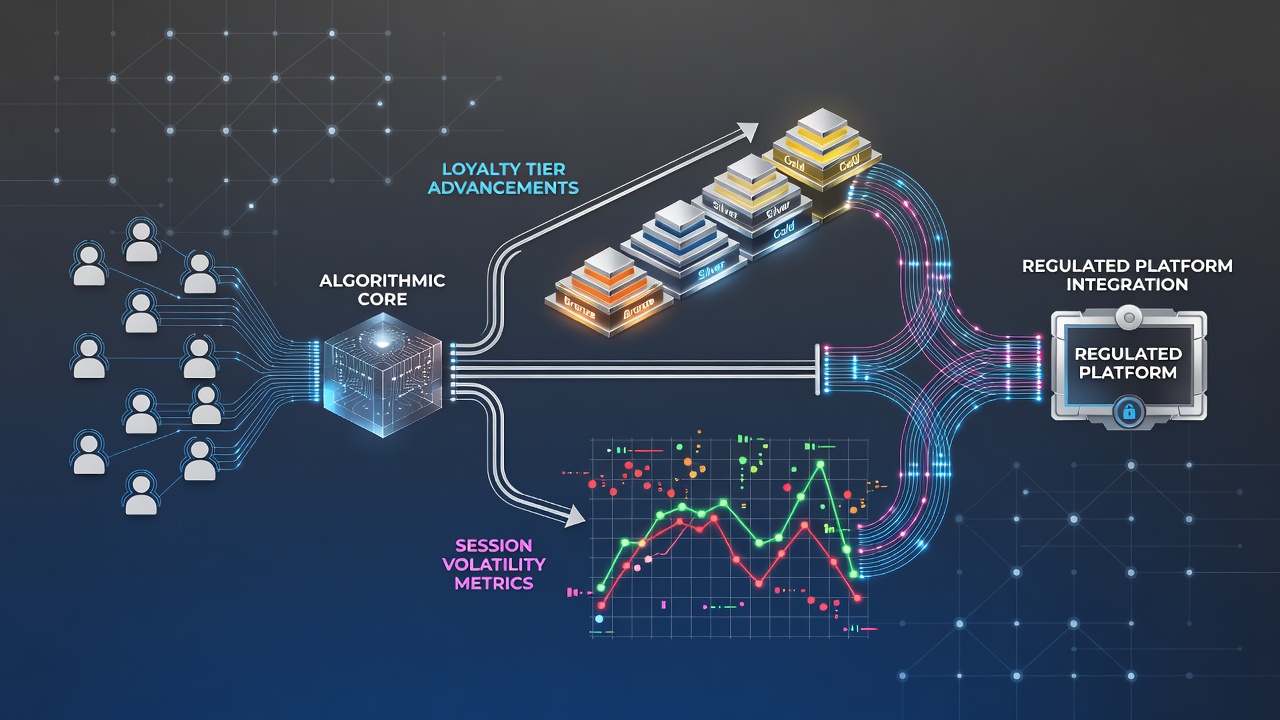
Regulated digital wagering platforms rely on complex algorithms that connect loyalty tier advancements directly to session volatility metrics, and these systems process player activity data in real time while maintaining compliance with jurisdictional standards. Operators track metrics such as bet frequency, wager size fluctuations, and outcome variance to determine when a player qualifies for higher loyalty tiers, and the same datasets feed into volatility models that predict session length and risk exposure. Data from multiple U.S. state gaming commissions and European regulatory bodies show that these algorithmic linkages influence retention rates without altering game outcomes.
Loyalty tier structures and data inputs
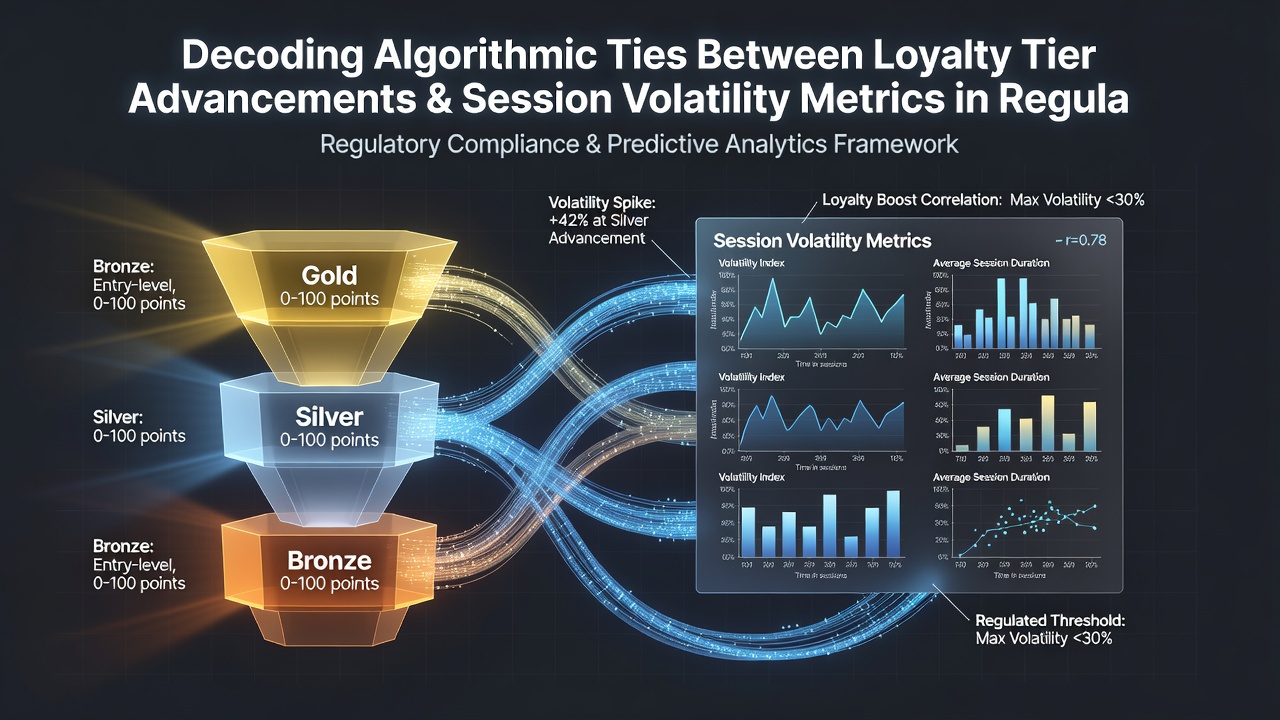
Platforms define loyalty tiers through cumulative play metrics that include total handle, average bet size, and session duration, while algorithms adjust advancement thresholds based on historical volatility patterns observed across player cohorts. In July 2026 several operators updated their tier qualification rules after reviewing aggregated data released by the Nevada Gaming Control Board and the New Jersey Division of Gaming Enforcement. These updates refined point accrual formulas so that sessions with higher volatility contributed proportionally more toward tier movement than steady low-variance play. Researchers examining anonymized transaction logs have noted that the same volatility indexes used for tier calculations also appear in risk-management modules that flag unusual betting sequences for compliance review.
Session volatility measurement techniques
Session volatility metrics quantify the standard deviation of returns within a defined play period, and platforms calculate these figures using timestamped bet and payout records that feed both loyalty engines and responsible gaming tools. Academic studies from the University of Nevada, Reno have examined how variance in slot and table game sessions correlates with the speed at which players move between loyalty levels, and the findings indicate that algorithms weight recent high-volatility sessions more heavily when determining tier eligibility. Regulators in multiple jurisdictions require operators to document these weighting methods during periodic audits, which ensures the metrics remain consistent with approved game mathematics and do not create unfair advantages.
Algorithmic integration across systems
Integration occurs when loyalty management platforms share real-time volatility scores with player segmentation engines, allowing tier advancement decisions to incorporate both volume and variance data in a single computation cycle. One study published by the Canadian Gaming Association reviewed six months of platform logs and reported that players reaching mid-tier status exhibited measurable shifts in session volatility after receiving targeted promotions calibrated to their prior play patterns. The algorithms achieve this linkage through shared data schemas that map individual session identifiers to loyalty account profiles, and the process runs continuously without requiring manual intervention from compliance staff.
Regulatory oversight and compliance requirements
Regulatory frameworks in the United States, Australia, and several European Union member states mandate that operators disclose how volatility data influences loyalty program mechanics, and independent testing labs verify that the underlying algorithms do not modify game return-to-player percentages. In July 2026 the Australian Communications and Media Authority issued updated guidance requiring clearer documentation of any algorithmic connections between loyalty tier systems and volatility monitoring tools. These rules build on existing standards that already require operators to separate marketing algorithms from game fairness controls, and platform providers have responded by implementing audit trails that log every data point used in tier calculations.
Observed patterns in platform data
Platform operators have recorded consistent patterns where players who advance tiers after a series of high-volatility sessions show different retention curves compared with those who advance through steady, lower-variance play. Reports compiled by the American Gaming Association indicate that volatility-weighted loyalty models appear more frequently in markets with mature igaming regulations, and these models rely on machine-learning components trained on historical session data. The algorithms continuously recalibrate advancement thresholds as new volatility statistics become available, which allows platforms to maintain consistent tier distribution across player bases of varying sizes and activity levels.
Conclusion
Algorithmic connections between loyalty tier advancements and session volatility metrics represent a core operational feature of regulated digital wagering platforms, and the systems continue to evolve under ongoing regulatory scrutiny. Data from government agencies and industry research organizations demonstrate that these linkages operate within established compliance boundaries while supporting player segmentation and retention functions. As platforms release additional performance figures throughout 2026, observers expect further refinement of the shared data models that underpin both loyalty progression and volatility analysis.