Decoding how authentication layers influence session patterns across portable platforms with varied transaction speeds and interactive table options
Written by Iris Simon · Jul 24, 2026
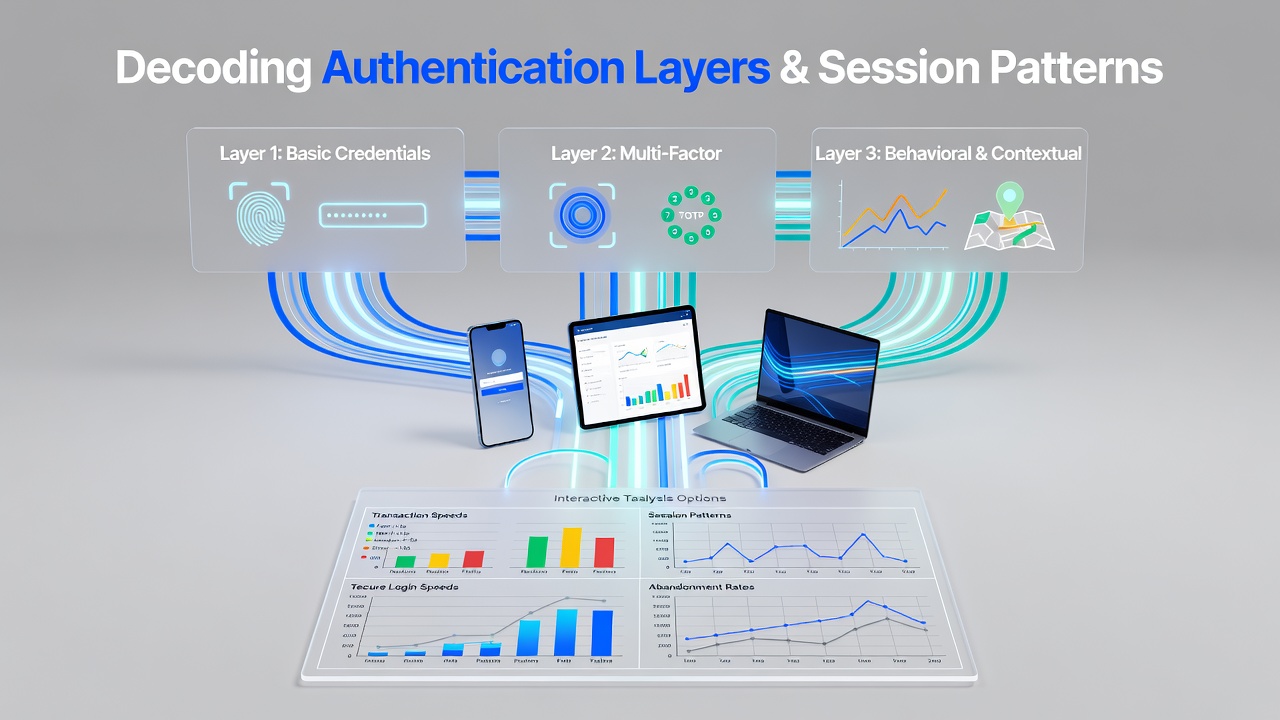
Decoding how authentication layers influence session patterns across portable platforms with varied transaction speeds and interactive table options
Authentication layers shape how users interact with portable gaming platforms, and researchers tracking mobile behavior have documented clear shifts in session duration when multiple verification steps enter the process. Studies from industry reports indicate that single-factor logins often support extended play periods, whereas multi-factor sequences introduce brief interruptions that fragment longer sessions into shorter bursts. Data collected across various apps shows these patterns hold steady even when transaction speeds differ, because users adjust their engagement rhythm around the time required for each security checkpoint.
Understanding Authentication Layers in Mobile Environments
Portable platforms rely on layered security that ranges from basic passwords and PINs to biometric options such as fingerprint or facial recognition. Observers note that biometric methods typically reduce the time spent at login, which allows sessions to begin more quickly and maintain momentum once interactive tables load. In contrast, apps that require manual entry of codes or answers to security questions see users pausing more often, and session logs reveal repeated short connections rather than continuous blocks of activity. According to findings shared by the Nevada Gaming Control Board, platforms integrating adaptive authentication report steadier engagement metrics across different device types.
Transaction speed plays a direct role in how these layers perform. Fast deposit and withdrawal systems paired with quick biometric checks tend to produce longer average sessions, because users encounter fewer friction points before reaching live dealer tables or slot interfaces. Slower verification flows, especially those tied to manual approval steps, correlate with higher rates of session abandonment after the first few minutes. Figures released in July 2026 from regulatory filings highlighted this trend across several mobile ecosystems operating in North America.
Session Patterns Across Varied Transaction Speeds
Platforms with high-speed transaction processing show distinct session curves when authentication remains lightweight. Users complete deposits in seconds, move into interactive table environments, and often sustain activity for extended periods without additional prompts. When authentication layers require repeated identity confirmations, even rapid transactions cannot fully offset the interruptions, and session data reflects more frequent exits and returns. Analysts examining these flows point to the cumulative effect of each security gate on overall time spent in app.
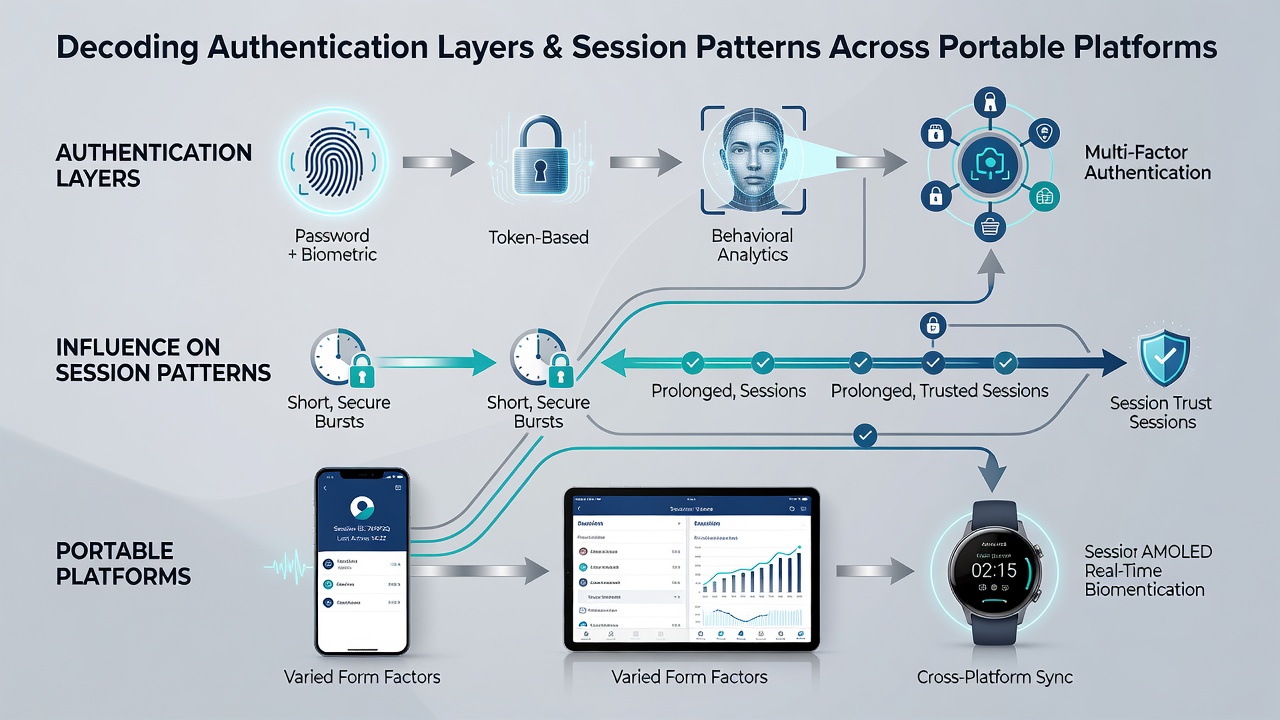
Interactive table options add another variable. Live dealer environments demand stable connections and quick responses to game events, so authentication delays that occur mid-session disrupt player focus more noticeably than in automated slot games. Research indicates that apps offering seamless re-authentication through device biometrics maintain higher retention at tables compared with those forcing full re-entry of credentials. Canadian Gaming Association summaries describe similar patterns in markets where transaction speeds vary by payment method and regional banking infrastructure.
Impact on Interactive Table Options
Interactive tables require continuous authentication states because game rounds progress in real time. When layers incorporate passive verification such as device fingerprinting or behavioral analysis, session continuity improves and players remain engaged through multiple rounds. Platforms that reset authentication after every transaction, even quick ones, experience measurable drops in table participation rates. Data from academic studies on digital gaming interfaces confirm that the timing of security prompts relative to transaction completion influences whether users stay for additional hands or rounds.
Geographic differences also appear in the data. European regulatory reports note that stricter identity checks at the start of sessions correlate with shorter initial play periods, yet once users clear those steps, subsequent interactions at interactive tables follow patterns similar to those observed in less regulated markets. The balance between initial friction and ongoing convenience therefore determines the shape of session graphs across portable platforms.
Key Factors Shaping User Behavior
- Frequency of authentication prompts during active play
- Speed of deposit and withdrawal processing integrated with verification
- Type of interactive table available and its real-time demands
- Device-level biometric support versus manual entry requirements
These elements combine in ways that produce measurable differences in session length and return frequency. Platforms that align faster transaction pathways with lighter ongoing authentication layers tend to record steadier participation metrics, according to aggregated industry analyses.
Conclusion
Authentication layers continue to define how session patterns develop on portable gaming platforms, especially when transaction speeds and interactive table features vary. Evidence from regulatory filings and research summaries demonstrates consistent relationships between verification methods and user engagement duration. As platforms refine these systems, the interplay between security steps and transaction efficiency remains central to observed behavior across mobile environments.