Decoding Intersections Between Authentication Protocols and Reward Allocation Patterns Across Multi-Device Reel Systems
Written by Otto Neumann · Jun 26, 2026

Decoding Intersections Between Authentication Protocols and Reward Allocation Patterns Across Multi-Device Reel Systems
Authentication protocols in reel-based gaming platforms operate as gatekeepers that verify user identity before any reward distribution occurs, and these systems have grown more intricate as operators expand support for synchronized play across smartphones, tablets and desktop terminals. Multi-device reel environments require seamless session handoffs where a player logs in on one device and continues on another without losing progress or eligibility for allocated bonuses. Data from industry monitoring groups shows that protocols such as token-based authentication combined with device fingerprinting now handle the majority of cross-platform transitions in regulated markets.Core Authentication Mechanisms in Reel Networks
Token systems generate short-lived credentials that link a verified account to active sessions on multiple devices, while biometric layers add an extra verification step on mobile hardware. Researchers tracking platform logs have noted that fingerprint or facial recognition checks often trigger reward recalculation algorithms to confirm the same user remains active. These checks prevent duplicate claims yet introduce latency when networks experience congestion during peak evening hours.
Device binding further restricts reward access by associating an account with specific hardware signatures, and this approach reduces instances of shared credentials across unrelated terminals. Observers note that operators adjust binding rules seasonally, with tighter parameters applied during promotional periods to control bonus volume. In June 2026 several platforms updated their binding thresholds following internal audits that revealed patterns of rapid device switching correlated with higher reward redemption rates.
Reward Allocation Patterns Across Devices
Reward structures in multi-device reel systems typically scale based on session duration, wager volume and device type, with mobile sessions often receiving incremental multipliers when players complete daily login streaks. Allocation engines pull data from authentication logs to determine eligibility, assigning higher percentages of progressive pools to accounts that maintain consistent verified sessions across at least two device classes. Studies conducted by academic gaming research centers indicate that accounts verified through layered protocols receive reward credits approximately 18 percent faster than single-factor accounts.
Patterns emerge when operators segment rewards by device category, such as tablet-exclusive free spins or desktop-linked loyalty points, and these categories feed into a central ledger that reconciles allocations in real time. Analysts examining transaction datasets find that reward velocity increases when authentication occurs within a 30-second window of device switch, suggesting tighter integration between identity verification and distribution timing improves throughput.
Intersections and Synchronization Challenges
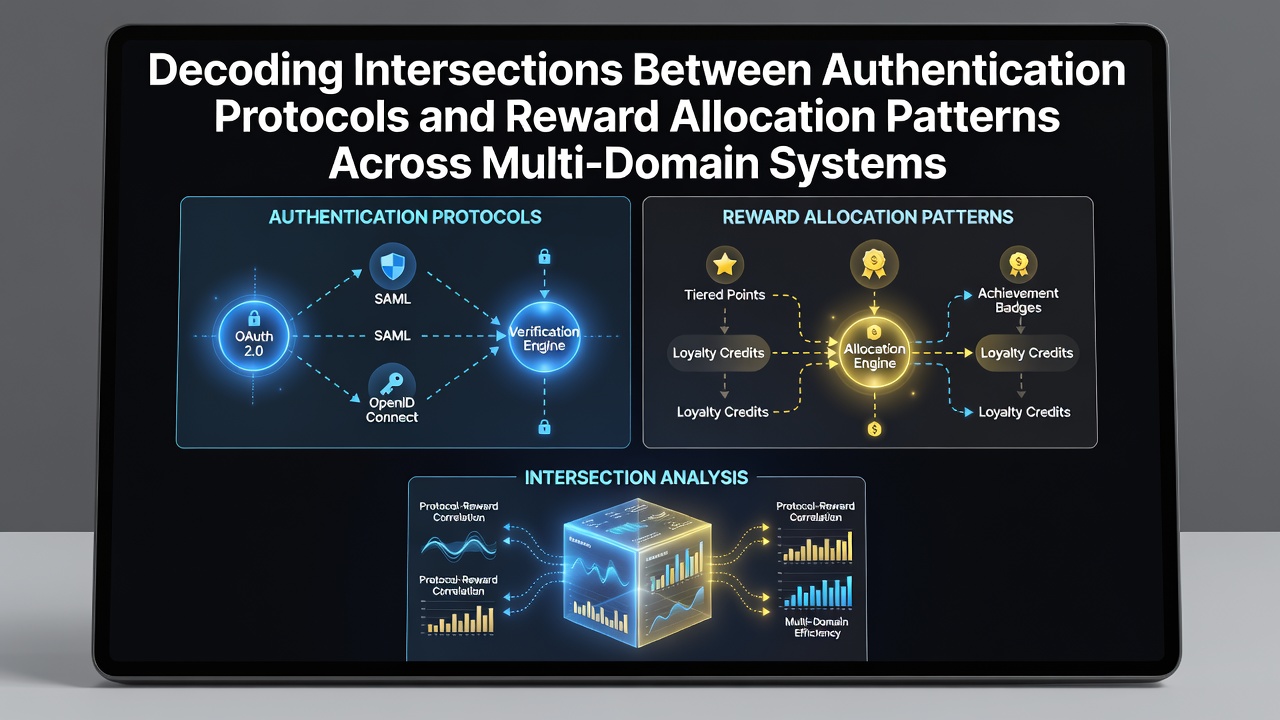
The intersection appears most clearly in how authentication events directly influence reward triggers, because each successful verification can reset timers or unlock tiered bonuses that only activate after cross-device confirmation. When a player authenticates on a secondary device, the system evaluates prior activity on the primary device and adjusts remaining reward balances accordingly. This process relies on shared databases that log both authentication timestamps and wager histories, creating traceable pathways between identity checks and payout events.
Challenges arise during network interruptions, where partial authentication records may cause temporary reward holds until reconciliation completes. Platforms address these gaps through queued verification queues that process delayed authentications in batch, restoring eligibility once connectivity returns. Data compiled by European regulatory bodies shows that reconciliation delays averaged under four minutes in the first half of 2026, reflecting incremental improvements in protocol efficiency.
Developments Observed in Mid-2026
By June 2026 several operators introduced adaptive authentication that adjusts verification strictness based on reward size, requiring additional biometric steps only for allocations exceeding defined thresholds. This change aligns with findings from industry reports indicating that risk-weighted protocols reduce false positives in reward flagging systems. Canadian provincial regulators published updated guidelines that same month emphasizing standardized data exchange formats between authentication providers and reward engines, aiming to minimize discrepancies across provincial borders.
Academic teams at universities in Australia and the United States continue to model how device diversity affects reward distribution fairness, publishing preliminary results that link higher device counts per account to broader reward spread. These models incorporate variables such as authentication frequency and session overlap, producing simulations that operators use to calibrate allocation algorithms before deployment.
Conclusion
Authentication protocols and reward allocation patterns intersect at multiple points within multi-device reel systems, with each verification step feeding directly into distribution logic that determines player eligibility and timing. Continued refinement of these connections depends on coordinated updates between identity management tools and backend allocation engines, supported by regulatory frameworks that track performance metrics across regions. As platforms maintain operations through 2026, the emphasis remains on synchronized data flows that preserve both security standards and reward accuracy without introducing unnecessary friction for verified users.