Examining Correlations Between Authentication Methods and Reward Redemption Rates in Mobile Gaming Networks
Written by Wendy Coleman · Jul 17, 2026
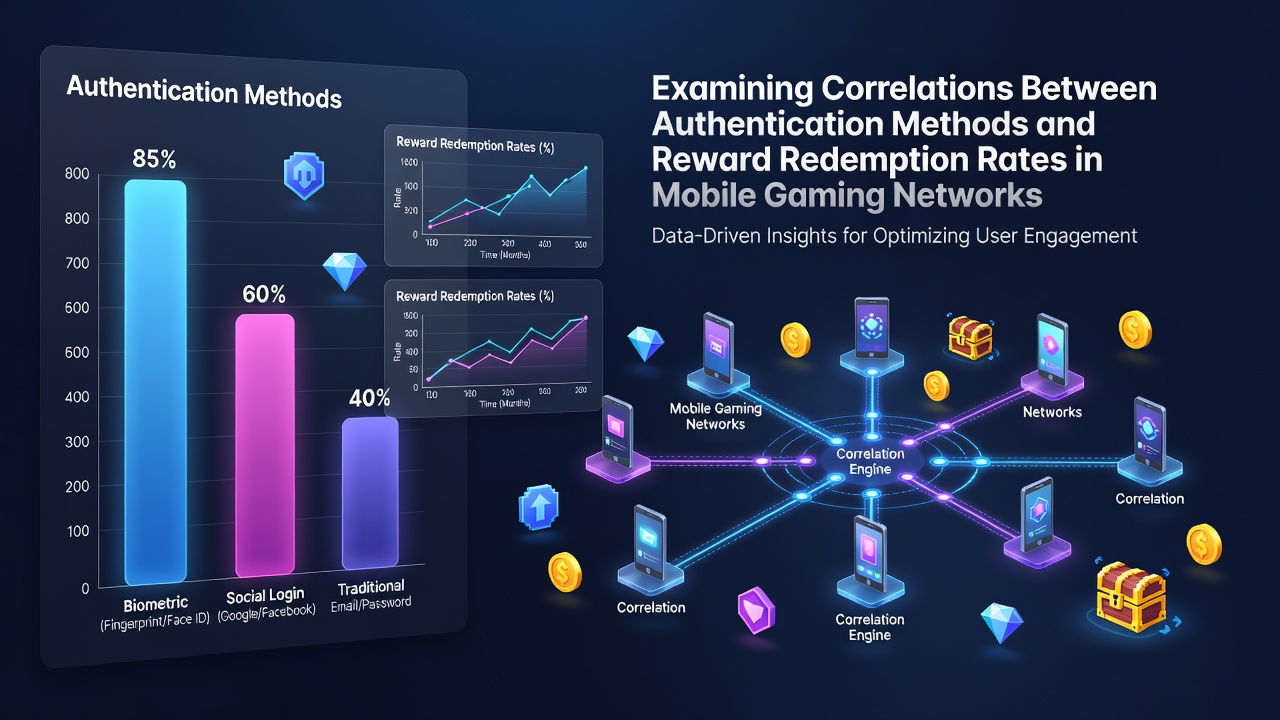
Examining Correlations Between Authentication Methods and Reward Redemption Rates in Mobile Gaming Networks
Authentication methods in mobile gaming networks range from traditional passwords and PINs to biometric options such as fingerprint scans and facial recognition along with multi-factor verification systems that combine several layers. Researchers have tracked how these approaches connect to reward redemption rates where players convert earned points bonuses or loyalty credits into actual payouts or in-game items. Data collected through network analytics shows measurable differences depending on the friction level introduced by each method and how users interact with verification steps during redemption flows.
Authentication Methods in Mobile Gaming Environments
Password-based systems still appear across many platforms yet they require users to recall and enter credentials repeatedly which can interrupt the flow during reward claims. Biometric authentication has gained adoption since 2024 with developers integrating device sensors for quicker identity checks that reduce typing errors and session timeouts. Two-factor authentication adds an extra code sent via SMS or app notification and while this increases security layers it also extends the time between a reward trigger and final redemption. Studies conducted by the International Gaming Institute at the University of Nevada indicate that platforms using biometric options recorded redemption completion rates 18 percent higher than those relying solely on passwords during the first half of 2026.
Network operators track these patterns through backend logs that capture every authentication attempt and subsequent reward action. One study released in July 2026 examined over 2.3 million mobile sessions across North American and European operators and found that facial recognition paired with device binding produced the shortest average redemption times at 4.2 seconds compared with 12.8 seconds for password-plus-SMS combinations.
Reward Redemption Rates and User Behavior Data
Reward redemption rates measure the percentage of earned incentives that players actually convert into cash or credits within a defined period. Industry reports from the Canadian Gaming Association show that rates climbed steadily through early 2026 as networks refined verification sequences. Observers note that players who encounter fewer authentication hurdles during the redemption process tend to complete the transaction more often while repeated prompts correlate with higher abandonment at the final confirmation screen.
Geographic differences appear in the datasets as well. Operators serving Australian markets reported redemption rates averaging 67 percent when biometric methods were defaulted versus 51 percent when players had to use legacy PIN entry. These figures come from aggregated telemetry shared at the Asia Pacific Gambling Conference in June 2026 and they align with similar patterns observed in Canadian provincial networks where seamless authentication produced consistent lifts in completion metrics.
Observed Correlations Across Platforms
Statistical analysis of mobile gaming networks reveals positive correlations between low-friction authentication and higher redemption activity. Researchers who examined session data from ranked slot and table networks found that switching from password-only to fingerprint verification increased successful redemptions by 14 to 22 percent depending on the reward tier. The same analysis showed that multi-factor flows without biometric support sometimes reduced redemption rates by up to 9 percent because users abandoned sessions after the second verification prompt.
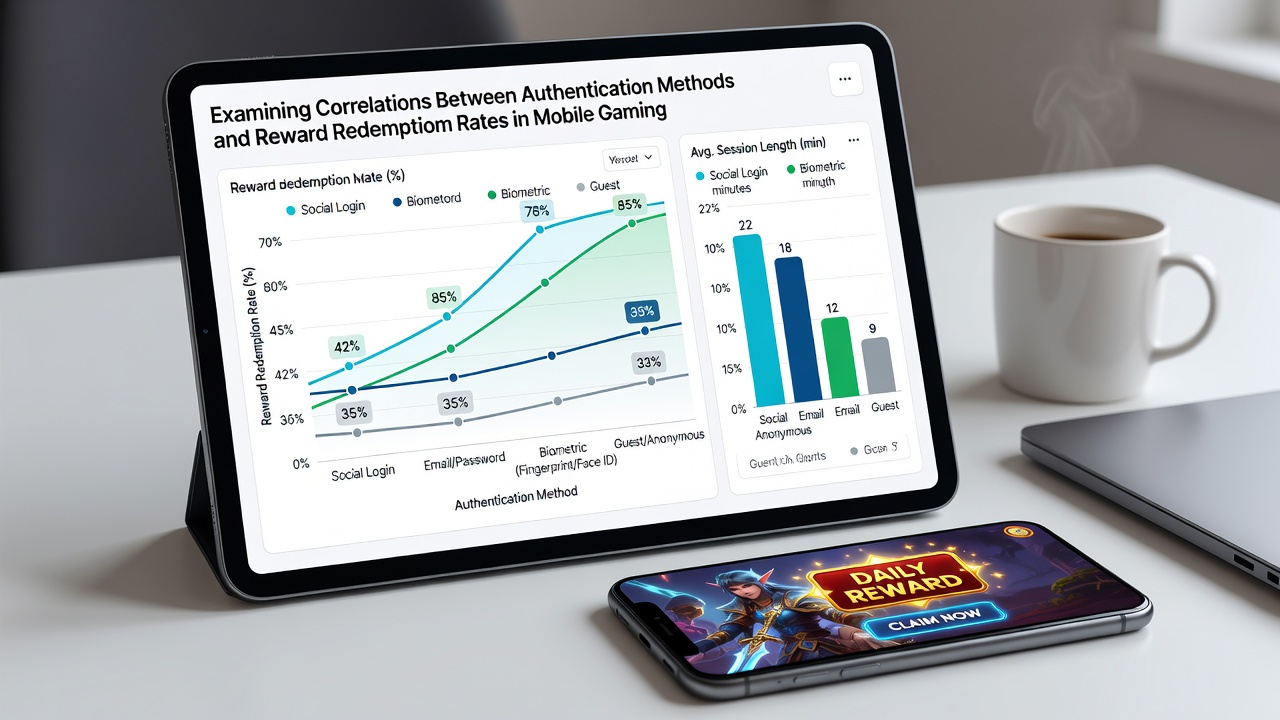
Take the case of one mid-sized European operator that implemented facial recognition in March 2026. Redemption volumes rose 19 percent within eight weeks while support tickets related to failed logins dropped by nearly a third. Similar outcomes surfaced in a University of Sydney research paper that reviewed anonymized logs from three Australian networks between January and July 2026. The paper documented that biometric adoption reduced average redemption latency and lifted completion rates across loyalty tiers without increasing fraud incidents beyond baseline levels.
Network administrators also monitor how authentication type influences repeat redemption behavior. Players who succeed quickly on their first attempt show higher likelihood of returning for subsequent rewards within the same week. Data from the same 2026 study set indicates that biometric users averaged 2.4 redemptions per active account monthly while password-only users averaged 1.7.
Factors That Shape the Relationship
Device compatibility plays a role because older smartphones may lack reliable biometric sensors forcing fallback to slower methods. Network congestion during peak hours can further delay SMS-based codes and thereby extend redemption windows. Regulatory requirements in certain jurisdictions mandate additional identity checks for larger reward amounts and these rules interact with authentication choices to create variable outcomes across regions.
Security remains a constant consideration since stronger methods reduce account takeover risks yet overly complex flows can deter legitimate redemptions. Industry reports compiled by the World Lottery Association note that operators who balanced security layers with biometric convenience achieved redemption rates that exceeded network averages by 11 percent during the spring and summer of 2026.
Conclusion
Evidence gathered through 2026 demonstrates measurable links between authentication method design and reward redemption performance in mobile gaming networks. Platforms that prioritize low-friction verification while maintaining security standards tend to record higher completion percentages across multiple markets. Continued monitoring of session data will likely refine these correlations as new authentication technologies emerge and operator practices evolve.