Exploring How Biometric Authentication Enhances Security Protocols in Mobile Gaming Applications
Written by Otto Neumann · May 29, 2026
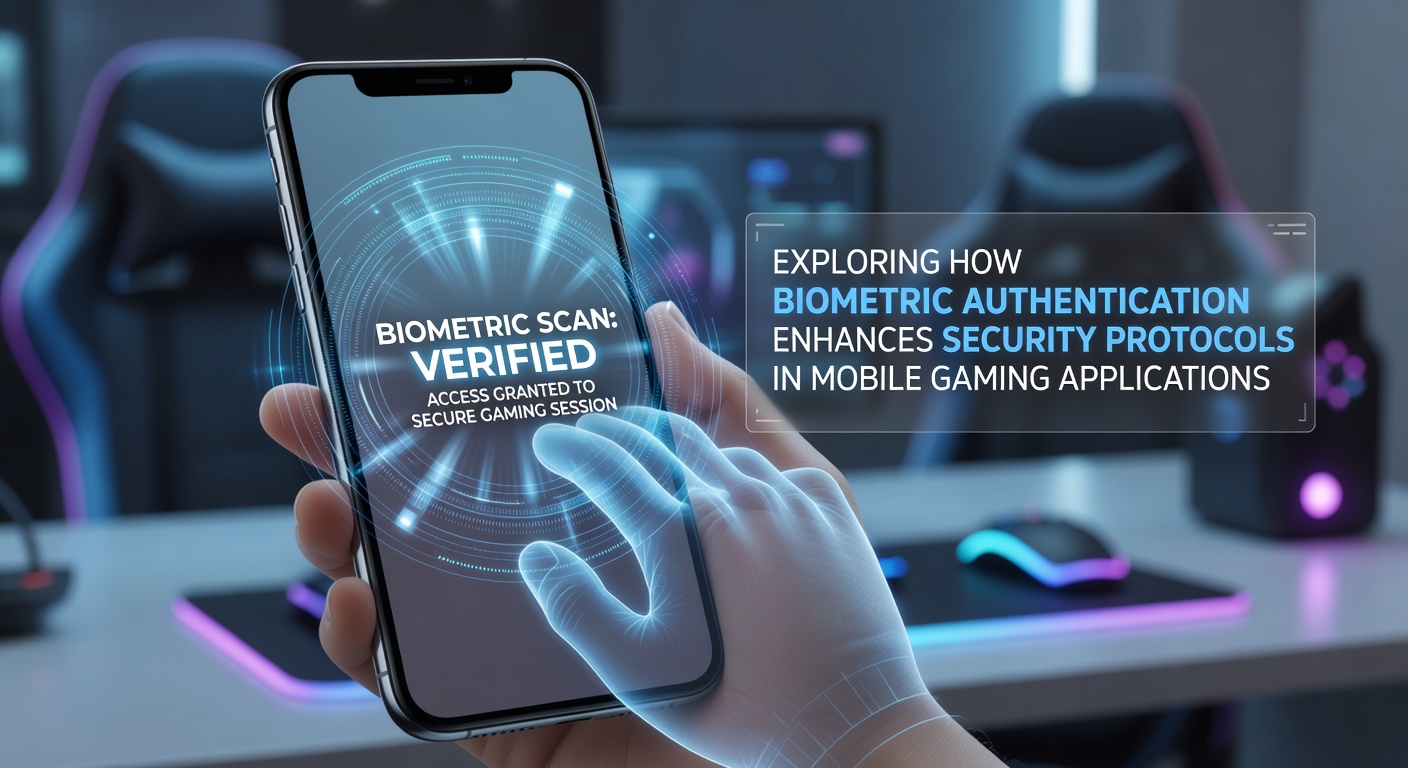
Exploring How Biometric Authentication Enhances Security Protocols in Mobile Gaming Applications
Mobile gaming applications have integrated biometric authentication methods such as fingerprint scanning and facial recognition to strengthen user verification processes, and these systems connect directly to existing security frameworks that protect account access and transaction data. Developers implement these tools through device hardware sensors that capture unique physiological traits then compare them against stored templates during login sequences or in-app purchases. Research from academic institutions shows that such integrations reduce unauthorized entry attempts by matching live scans to encrypted profiles held on secure servers.
Core Mechanisms Behind Biometric Integration
Biometric systems in mobile games operate through a sequence of enrollment, matching and decision stages where users first register their traits under controlled conditions, after which algorithms process incoming data in real time to grant or deny access. Facial recognition relies on camera modules that analyze facial landmarks while fingerprint readers use capacitive sensors to map ridge patterns, and both methods feed into protocols that layer additional checks like behavioral analytics during extended play sessions. Observers note that combining these with traditional passwords creates multi-factor setups that address vulnerabilities common in single-method logins.
Security protocols gain efficiency when biometrics handle routine authentications because they minimize reliance on memorized credentials that users often reuse across platforms. Data from industry reports indicates lower rates of account takeovers in applications that deploy these features compared to those limited to PIN-based entries. Gaming companies have adopted standards from organizations like the National Institute of Standards and Technology to ensure template storage remains isolated from main game servers.
Impact on Transaction and Account Security
Payment flows within mobile games benefit when biometric prompts appear before processing deposits or withdrawals since the added verification step confirms user identity at critical moments. Systems log these events with timestamps and device identifiers which allows operators to trace patterns that might signal fraud attempts. Those who've examined transaction logs in large-scale deployments report that biometric gates correlate with fewer chargeback incidents and smoother compliance with regional financial regulations.
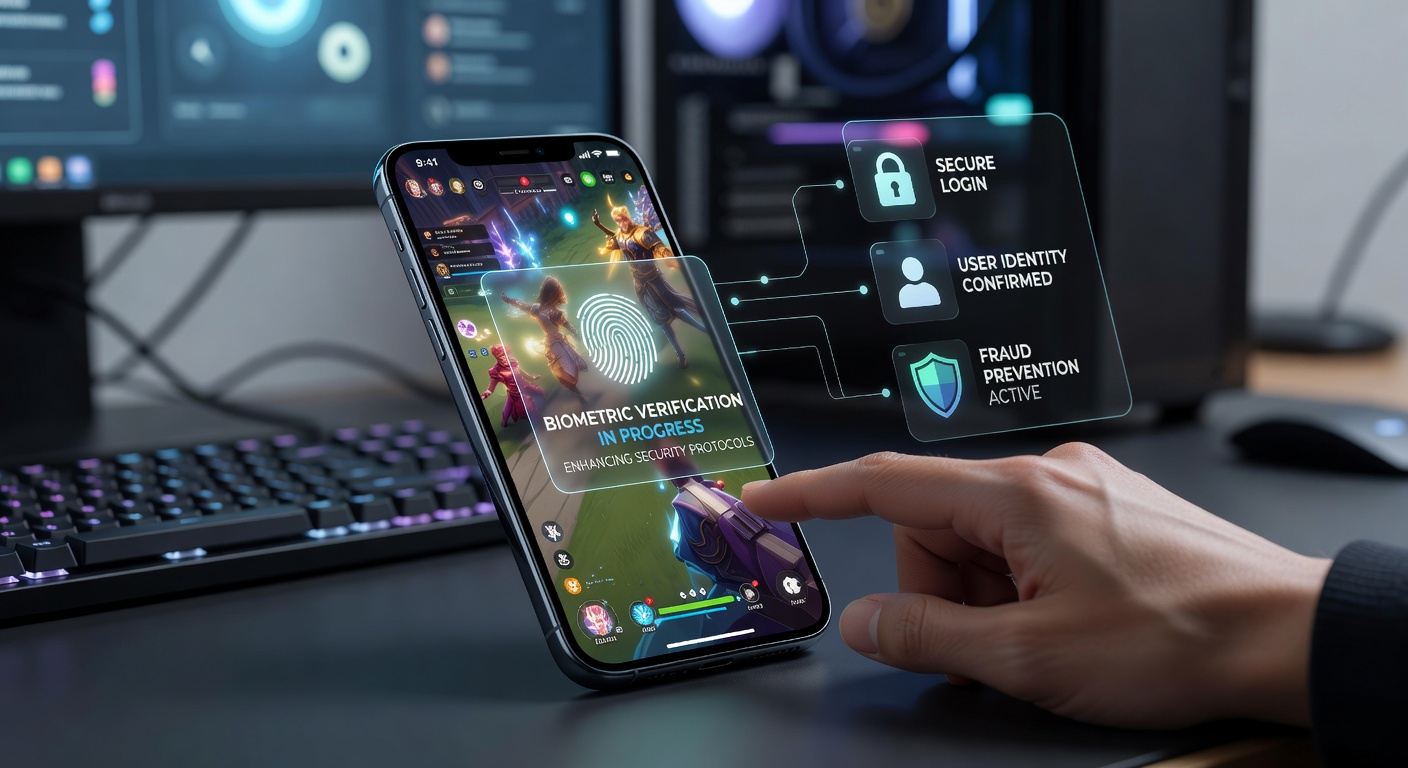
Account recovery processes also shift under biometric frameworks because lost devices can trigger alternative verification through secondary traits or linked hardware tokens rather than lengthy email chains. European regulatory bodies have outlined guidelines that encourage such measures in digital entertainment sectors, leading developers to embed compliance checks directly into authentication flows. What's significant is how these protocols adapt across operating systems with Android and iOS both supporting standardized APIs that maintain consistent security levels.
Adoption Trends and Technical Considerations
By May 2026 several major gaming platforms expanded biometric options following hardware improvements in consumer devices that boosted scan accuracy under varied lighting and motion conditions. Implementation requires careful calibration of false acceptance and rejection rates to balance security against user friction, and testing protocols now include diverse demographic groups to reduce bias in matching algorithms. Researchers discovered through controlled trials that hybrid systems pairing biometrics with device-bound cryptographic keys deliver stronger resistance to replay attacks than standalone methods.
Network-level security receives indirect support when biometric data never leaves the device in raw form but instead generates one-time tokens for server validation. This approach aligns with privacy expectations in multiple jurisdictions and limits exposure during potential breaches. Gaming associations in Asia-Pacific regions have documented case examples where biometric adoption helped maintain session integrity across international user bases.
Future Outlook for Protocol Evolution
Continued refinement of biometric modalities including voice patterns and gait analysis points toward broader application in immersive gaming environments where continuous authentication could monitor player presence without repeated prompts. Integration with emerging standards from global technical bodies supports interoperability between different game titles and payment processors. Evidence suggests that as device capabilities advance the threshold for reliable performance drops allowing wider deployment even in lower-end hardware categories.
Conclusion
Biometric authentication continues to reshape security architectures in mobile gaming by embedding physiological verification into routine operations and transaction checkpoints. The combination of hardware sensors, encrypted processing and regulatory alignment creates layered defenses that address both current threats and anticipated risks. Data from ongoing implementations shows measurable improvements in access control metrics across varied application types and user scales.