Exploring Synchronization Between Account Verification Processes and Access to Tiered Promotional Structures in Online Gaming Sites
Written by Iris Simon · Aug 14, 2026
Exploring Synchronization Between Account Verification Processes and Access to Tiered Promotional Structures in Online Gaming Sites
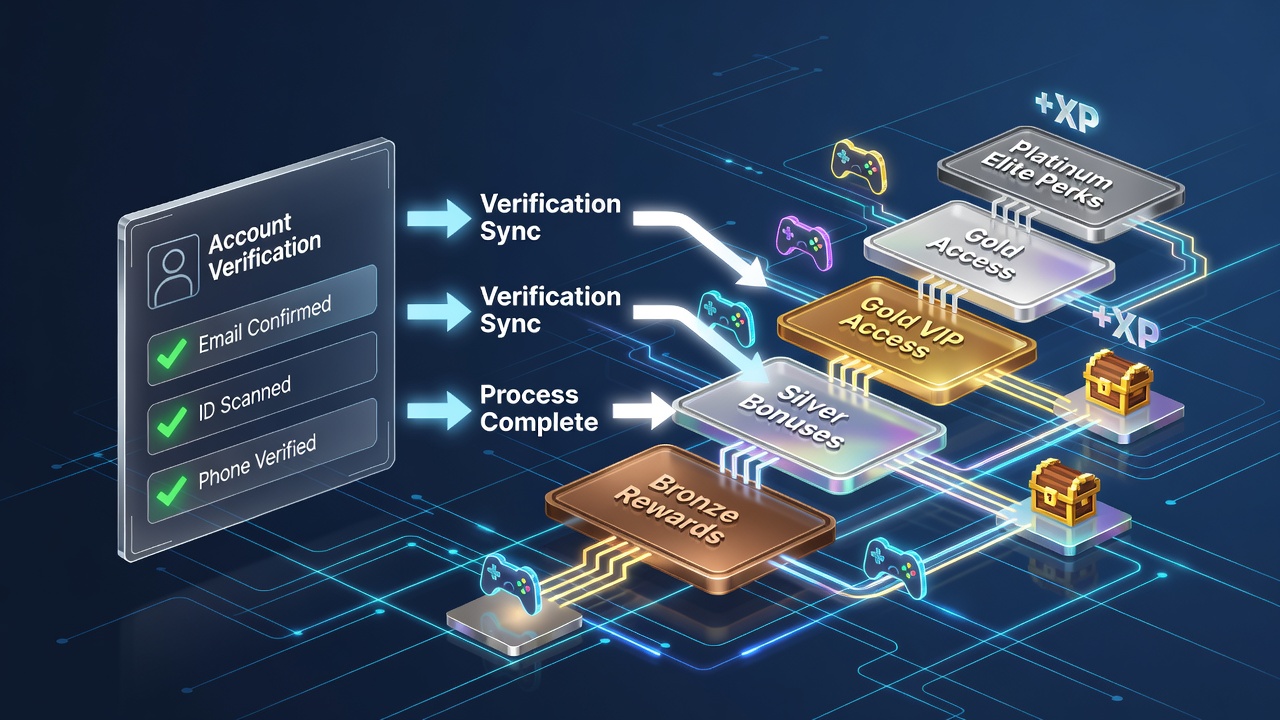
Account verification processes in online gaming sites connect directly to tiered promotional structures through automated protocols that gate access to escalating reward levels, and these systems rely on identity confirmation steps before players unlock higher-value bonuses and loyalty benefits. Operators integrate document uploads, biometric scans, and database cross-checks into the account lifecycle so that bronze-level entry rewards remain available immediately while silver and gold tiers activate only after verification clears, which reduces fraud exposure and aligns with regulatory mandates across multiple jurisdictions.
Core Components of Verification and Tier Access
Verification workflows typically begin with basic email and phone confirmation, then progress to government-issued ID submission and address validation, and these stages feed into backend systems that flag accounts for promotional eligibility. Data from industry reports show that platforms processing verifications within 24 hours experience higher conversion rates to mid-tier promotions, whereas delays beyond 72 hours correlate with reduced engagement in loyalty programs. Synchronization occurs through API handshakes that update player status in real time, so a completed check instantly triggers access to cashback percentages or free spin multipliers reserved for verified users.
Researchers have observed that tiered structures often divide into four or five levels, each requiring cumulative deposit thresholds and verified status before advancement, and this linkage prevents unverified accounts from accumulating rewards that could later face reversal during compliance audits. In practice, many sites employ scoring algorithms that weigh verification completeness against play history to determine promotional tier progression.
Technical Synchronization Mechanisms
Modern platforms employ centralized player management databases that link verification status fields directly to promotional engines, allowing conditional logic to grant or withhold tier benefits without manual intervention. For instance, a player reaching a silver deposit threshold sees the associated reload bonus appear only after the verification flag flips to approved, and this automation minimizes human error while maintaining audit trails required by licensing authorities. Observers note that integration with third-party verification providers such as Jumio or Onfido further streamlines these flows by returning structured data that promotional rulesets can query instantly.
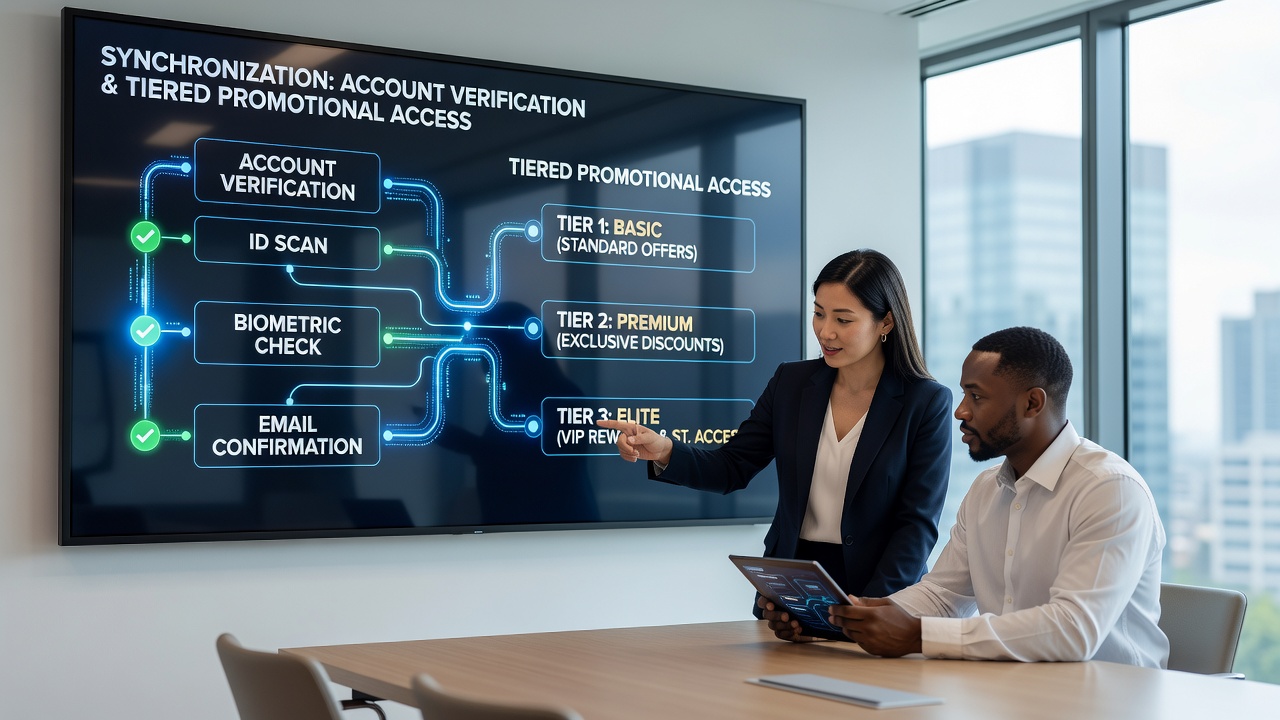
What's notable is how these connections handle edge cases, including partial verifications where basic identity clears but enhanced due diligence remains pending, and such accounts often receive limited tier access until full approval arrives. August 2026 saw several operators update their protocols following guidance from the New Jersey Division of Gaming Enforcement, which emphasized tighter coupling between verification timelines and reward distribution to enhance consumer protections.
Regional Regulatory Influences
Different markets impose varying requirements that shape how verification and promotions synchronize, with North American state regulators focusing on responsible gaming flags while European bodies stress anti-money laundering checkpoints. According to reports from the Malta Gaming Authority, synchronized systems help operators demonstrate that promotional access scales only with verified player profiles, thereby supporting license renewal processes. Canadian provincial frameworks similarly require documented verification before higher-tier loyalty perks activate, creating consistent patterns across borders.
Industry analyses from sources such as H2 Gambling Capital indicate that platforms with seamless synchronization report 15 to 20 percent higher retention among players who reach verified silver or gold status, because timely tier unlocks encourage continued play within the same ecosystem. These figures emerge from aggregated operator data rather than isolated studies, revealing broader trends in player behavior tied to verification speed.
Operational Challenges and Solutions
Delays in verification can stall promotional access even when players meet spending thresholds, leading operators to deploy queue management tools and priority processing for high-value accounts. Teams handling compliance often monitor synchronization dashboards that highlight accounts stuck between verification stages and tier eligibility, allowing proactive outreach to resolve document issues. One documented approach involves sending automated reminders at 48-hour intervals while preserving the promotional slot until verification completes or expires.
Yet synchronization failures still occur during peak registration periods, and sites address these through fallback rules that grant temporary tier previews pending final checks. Such measures maintain player momentum without compromising the core linkage between verified identity and reward access.
Conclusion
The interplay between account verification and tiered promotions continues to evolve as operators refine API connections and regulatory expectations tighten, with data showing clear correlations between verification completion rates and promotional engagement metrics. Platforms that maintain precise synchronization deliver consistent access to higher reward levels only after identity confirmation, supporting both compliance and operational efficiency across global markets. Future developments may incorporate additional data points such as transaction velocity into these decision engines, further tightening the relationship between verified status and promotional tier advancement.