How Encryption Standards Are Reshaping Transaction Flows in Virtual Entertainment Networks
Written by Otto Neumann · Jul 13, 2026
How Encryption Standards Are Reshaping Transaction Flows in Virtual Entertainment Networks
Virtual entertainment networks rely on encryption standards that protect data during deposits, withdrawals, and session management across online platforms. These protocols have evolved to handle increasing volumes of real-time transactions while meeting regulatory requirements from multiple jurisdictions. Standards such as AES-256 and TLS 1.3 form the backbone of secure communications, and their implementation influences how funds move between users and operators. Observers note that transaction flows in these networks now incorporate end-to-end encryption at multiple layers. Data packets travel through encrypted tunnels that prevent interception during payment processing. This setup reduces latency compared to older methods while maintaining compliance with data protection rules. Platforms that adopted updated cipher suites reported smoother integration with banking APIs and digital wallets by mid-2026.Key Encryption Protocols Driving Change
Advanced Encryption Standard implementations dominate current systems because they balance speed and security for high-frequency transactions. TLS 1.3 shortened handshake times, allowing faster session establishment when players initiate deposits or claim rewards. Researchers at academic institutions have documented how these reductions in overhead translate to lower error rates during peak usage periods.
Post-quantum cryptography preparations gained momentum as organizations tested hybrid algorithms. The National Institute of Standards and Technology published guidelines that several entertainment networks referenced when updating their roadmaps. NIST post-quantum encryption resources outline migration paths that operators began evaluating in the first half of 2026.
Effects on Deposit and Withdrawal Processes
Encryption upgrades have altered verification sequences in virtual networks. Multi-factor authentication now combines with encrypted token exchanges, which streamlines approval steps without exposing sensitive details. Payment gateways integrated with these systems process requests through secure channels that comply with PCI DSS requirements across different regions.
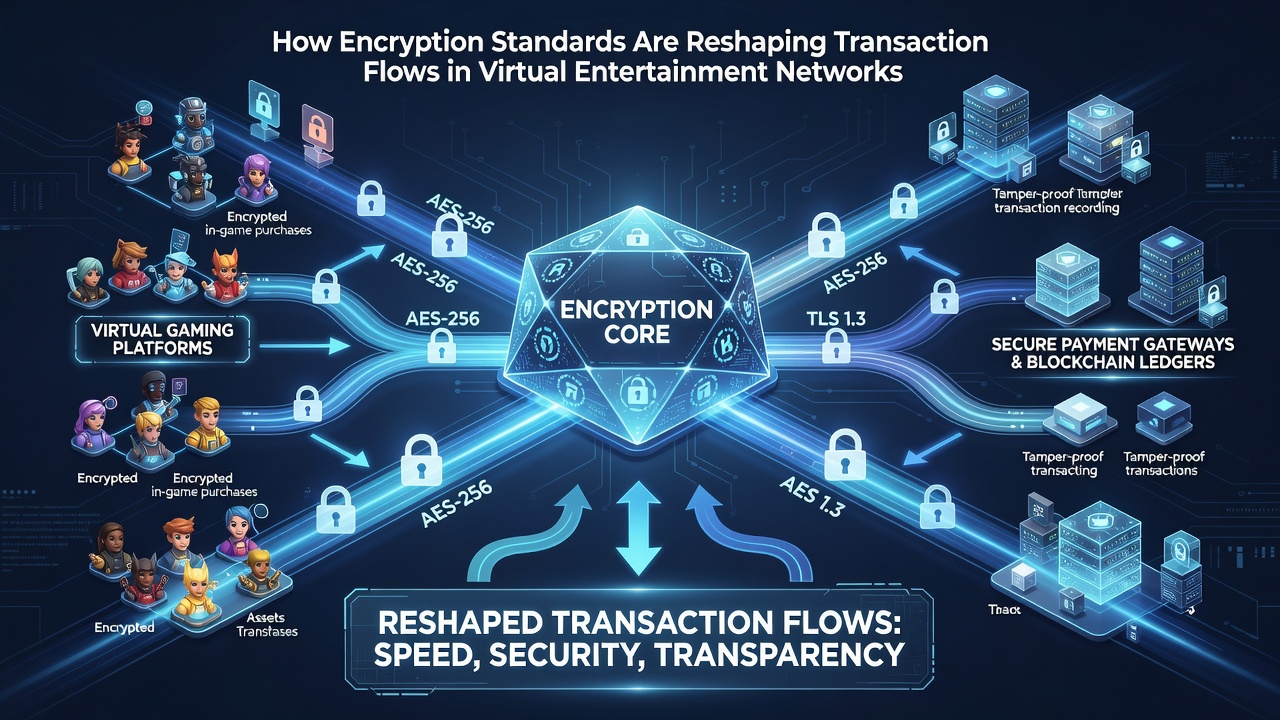
By July 2026 many networks had introduced quantum-resistant key exchanges for high-value transfers. This shift addressed emerging threats while preserving transaction throughput. Data from industry monitoring services shows that encrypted flows experienced fewer interruptions during cross-border settlements, particularly when platforms connected with licensed payment processors in North America and Europe.
Regulatory and Compliance Influences
Government agencies in Canada and Australia have issued directives that encourage adoption of stronger encryption for consumer protection. These rules require operators to demonstrate that transaction data remains protected throughout its lifecycle. Compliance audits now include tests for cipher strength and key rotation frequency.
Industry groups such as the European Gaming and Betting Association have published frameworks that align encryption practices with broader data security standards. Operators who followed these recommendations achieved quicker approvals for new payment features. Figures from regulatory filings reveal that platforms meeting enhanced encryption benchmarks processed withdrawals with reduced manual review cycles.
Technical Integration Challenges
Legacy systems required significant refactoring to support newer protocols without disrupting live operations. Developers implemented phased rollouts that maintained backward compatibility during transition periods. Monitoring tools tracked performance metrics such as packet loss and encryption overhead to identify bottlenecks early.
Third-party vendors supplied hardware security modules that accelerated cryptographic operations on servers handling thousands of concurrent sessions. These modules offloaded processing tasks, freeing resources for game logic and user interface updates. Networks that deployed such solutions reported stable transaction rates even during promotional events that drove temporary spikes in activity.
Future Developments in Secure Flows
Zero-knowledge proofs have entered pilot programs for verifying transaction validity without revealing underlying data. This approach could further streamline compliance reporting while limiting exposure of user details. Academic papers from research universities continue to explore efficiency gains from these methods in entertainment contexts.
Network operators continue testing standardized APIs that embed encryption directly into payment orchestration layers. Such integration reduces the number of handoffs where data might otherwise sit unencrypted. Continued refinement of these tools supports broader adoption across virtual platforms operating under varied licensing regimes.
Conclusion
Encryption standards continue to define the architecture of transaction flows in virtual entertainment networks. Their ongoing updates affect processing speeds, regulatory alignment, and security posture in measurable ways. Organizations that maintain current implementations position themselves to handle evolving demands from users and oversight bodies alike.