How Progressive Jackpot Structures Influence Deposit Method Preferences Among Mobile Casino Participants
Written by Elena Richter · Aug 26, 2026
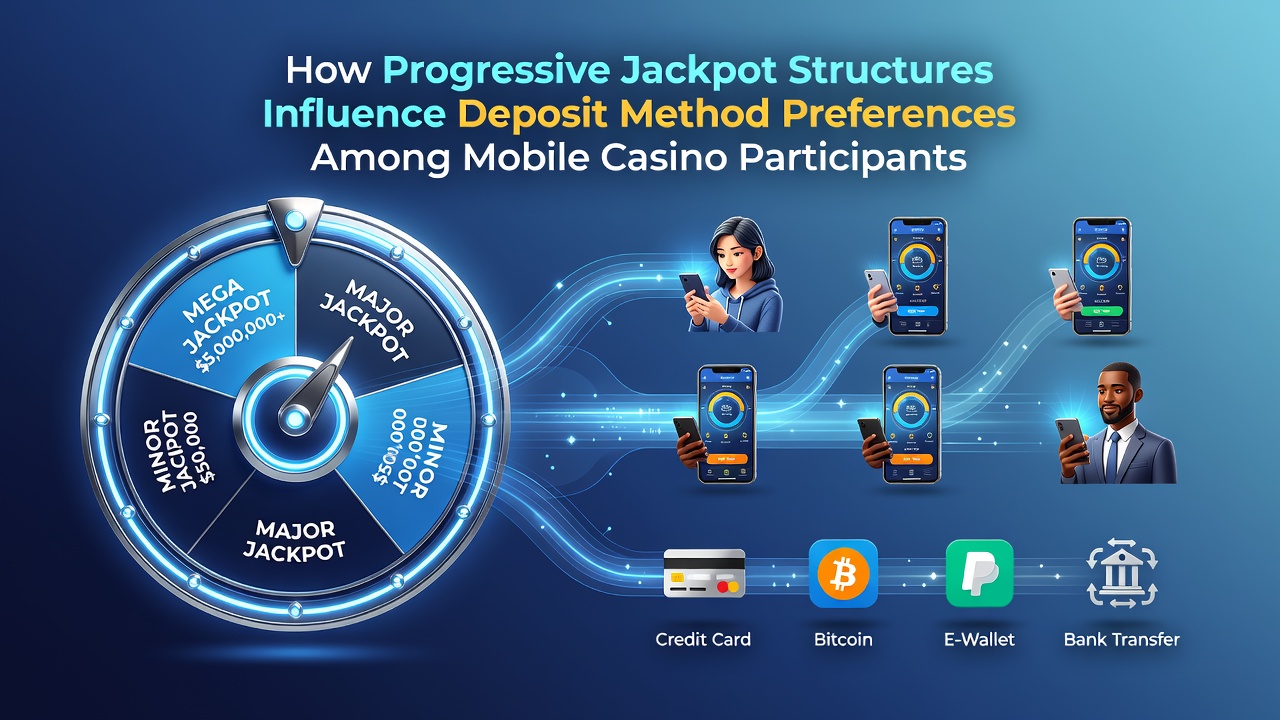
How Progressive Jackpot Structures Influence Deposit Method Preferences Among Mobile Casino Participants
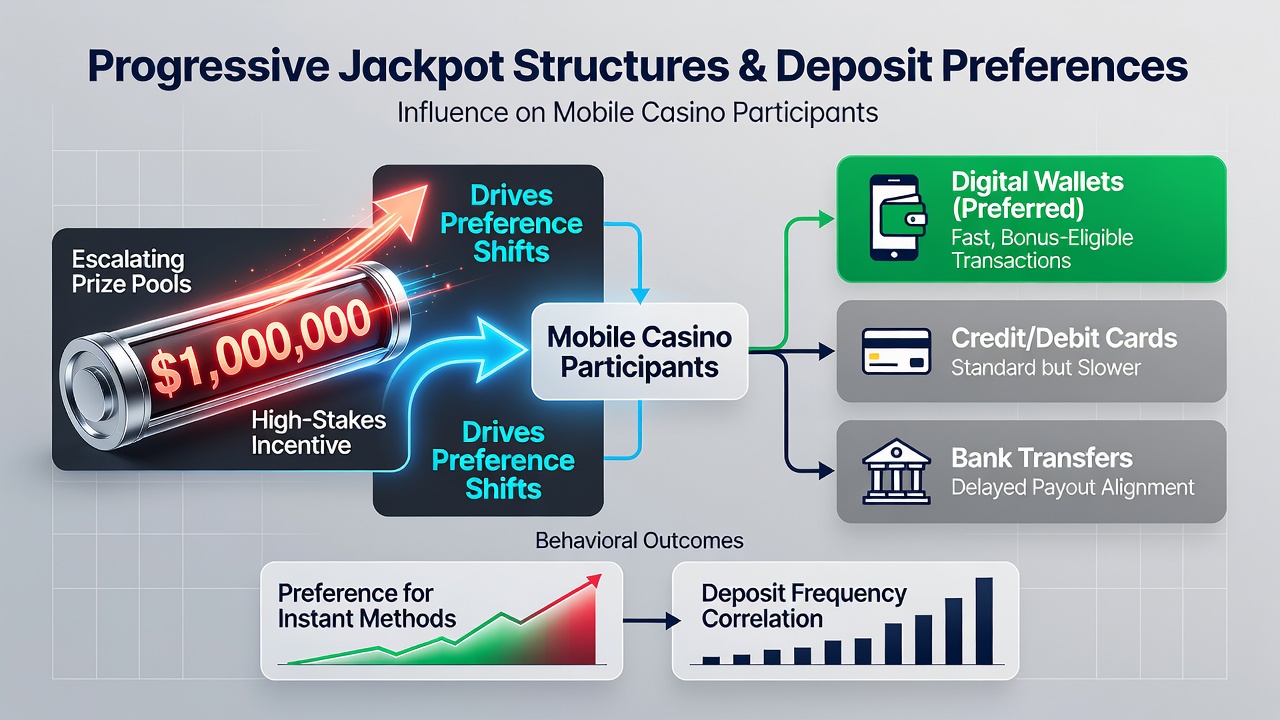
Progressive jackpot structures operate through networked contributions where a portion of each wager feeds into a shared prize pool that grows until claimed, and this mechanism shapes how mobile casino participants approach their funding choices in distinct ways. Data from industry tracking shows participants often favor deposit methods that deliver instant credits to games with active progressive meters, since delays can mean missing peak contribution windows or synchronized jackpot events. Research indicates that e-wallet options and certain instant bank transfers see higher usage rates among those chasing these escalating prizes compared to traditional card methods that sometimes carry processing holds.
Mechanics Behind Progressive Growth and Player Timing
Each progressive jackpot accumulates value through a fixed percentage skimmed from qualifying bets across connected machines or tables, which creates a visible meter that updates in real time on mobile interfaces. Observers note that players monitor these meters closely on apps, and they time deposits to coincide with rapid growth phases that occur during high-traffic periods. Studies reveal that when meters climb quickly, participants shift toward payment rails offering sub-minute crediting, because any lag reduces the chance to contribute during the most lucrative accumulation cycles. In August 2026, aggregated transaction logs across multiple platforms highlighted a measurable uptick in instant funding activity precisely when several major progressive networks reported accelerated growth rates.
Common Deposit Methods and Their Integration Patterns
Mobile casino ecosystems support a range of funding tools including credit and debit cards, digital wallets, prepaid vouchers, bank transfers, and cryptocurrency options, each carrying different speed, fee, and limit profiles. Figures from platform analytics indicate that methods with built-in bonus multipliers or fee waivers see stronger correlation with progressive game volume, since those incentives effectively lower the cost of entry into the jackpot pool. Participants frequently select e-wallets when chasing linked progressives because the same account can handle both quick deposits and seamless withdrawals of smaller wins that fund continued play. Bank transfer users, by contrast, appear more often in lower-volatility progressive categories where timing pressure remains less intense.
Data Patterns Linking Jackpot Structures to Payment Choices
Transaction datasets compiled across North American and European markets demonstrate that progressive jackpot participation rates rise when deposit methods eliminate verification delays, particularly for games tied to multi-tiered prize ladders. According to reports issued by the Nevada Gaming Control Board, mobile sessions involving progressive titles show elevated use of instant e-wallet deposits during months when aggregate jackpot values exceed historical averages. A separate analysis from the Australian Gambling Research Centre found similar trends among participants who maintain multiple funding accounts, routing larger sums through faster rails specifically for progressive play while reserving slower methods for standard slot sessions. These patterns hold steady even after controlling for overall deposit frequency and average wager size.
Regional Regulatory Context and Platform Adaptations
Regulatory frameworks in various jurisdictions require clear disclosure of contribution percentages and jackpot eligibility rules, which influences how operators structure their payment integrations. Platforms licensed in Ontario and several Australian states have adjusted their mobile interfaces to highlight deposit speed alongside progressive meter displays, making the connection between funding choice and jackpot access more transparent. Industry data collected by the European Gaming and Betting Association shows that operators offering instant verification for select e-wallets record higher progressive game engagement metrics than those relying solely on card-based funding. Participants in these regulated markets demonstrate consistent preference shifts toward methods that align with the real-time nature of jackpot accumulation rather than static prize structures.
Behavioral Observations Across Player Segments
Segmentation studies separate mobile users into groups based on session length and jackpot focus, revealing that high-frequency progressive players maintain multiple payment profiles to optimize for different meter conditions. One documented case involved participants who switched from card deposits to cryptocurrency options during periods of rapid jackpot growth, citing both speed and lower per-transaction costs as decisive factors. Researchers tracking these movements note that volatility indexes of specific progressive titles further modulate preferences, with higher volatility games drawing more instant-method deposits even when fees remain comparable. Platform logs from mid-2026 confirm these adjustments occur within single sessions as meters fluctuate.
Conclusion
Progressive jackpot structures create a dynamic environment where deposit method selection becomes a tactical decision tied to timing, fees, verification speed, and bonus alignment. Evidence from regulatory bodies and research organizations across multiple regions demonstrates measurable correlations between funding tool characteristics and participation levels in these networked prize systems. Mobile platforms continue adapting interfaces and payment partnerships to reflect these observed behaviors, while participants refine their choices based on meter activity and regulatory clarity. The interplay between jackpot mechanics and deposit preferences remains an area where transaction data continues to provide clear indicators of evolving patterns.