How Safety Protocols Shape Integration of Diverse Transaction Options Across Portable Gaming Applications
Written by Theo Günther · Jul 8, 2026
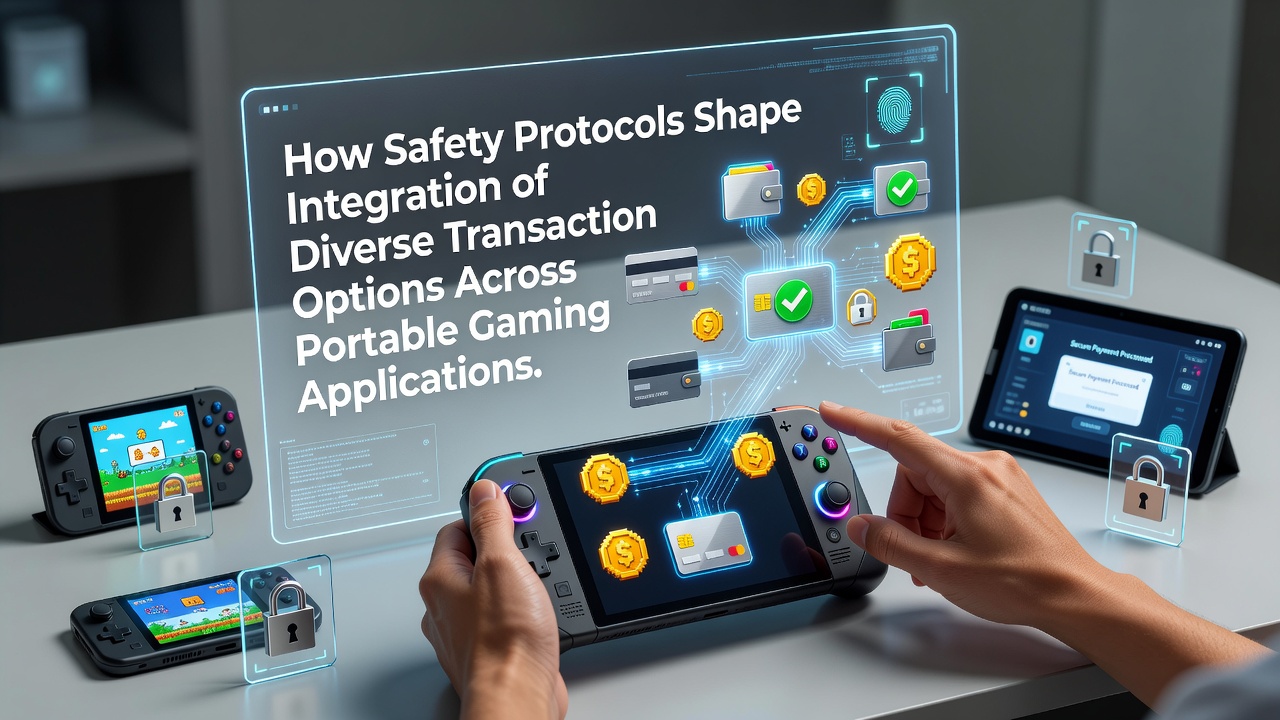
How Safety Protocols Shape Integration of Diverse Transaction Options Across Portable Gaming Applications
Portable gaming applications continue to expand their payment capabilities while safety protocols determine which transaction methods gain approval and how those methods connect to user accounts. Regulatory requirements from multiple jurisdictions guide developers toward encryption standards, identity verification layers, and audit trails that must accompany every deposit and withdrawal option.
Regulatory Frameworks Guiding Transaction Choices
State and national authorities establish baseline security expectations that directly affect which payment processors receive certification. The Nevada Gaming Control Board maintains detailed technical standards for mobile platforms operating under its oversight, requiring multi-factor authentication and real-time fraud monitoring before any e-wallet or cryptocurrency option appears in an application. Similar expectations appear in other regions, where licensing bodies review transaction logs during routine compliance checks.
Canadian provincial regulators such as the Alcohol and Gaming Commission of Ontario apply comparable rules to apps serving residents, insisting on segregated player funds and documented reconciliation procedures. These overlapping requirements create a common technical foundation that developers reference when deciding whether to add bank transfers, prepaid vouchers, or digital asset support.
Encryption and Authentication Layers
Security teams integrate end-to-end encryption for every transaction flow, yet the specific implementation varies according to the sensitivity of each payment method. Bank-linked transfers typically trigger additional device fingerprinting and behavioral analysis, whereas prepaid cards may only require basic tokenization. Research from the University of Nevada, Reno has examined how these layered controls influence processing times, noting that stronger authentication correlates with reduced chargeback rates across tested mobile platforms.
Developers balance these controls against user experience by embedding biometric prompts that activate only when transaction values exceed predefined thresholds. This selective approach keeps routine micro-transactions moving quickly while routing higher-value activity through extra verification steps required by licensing conditions.
Integration Patterns Across Payment Categories
Wallet services, card networks, and emerging digital currencies each demand distinct integration pathways shaped by protocol constraints. E-wallet providers must supply API endpoints that support real-time balance checks and instant reversal capabilities, features that align with audit requirements from multiple regulators. Card processors, by contrast, route through PCI-DSS compliant gateways that maintain separate logging systems audited annually.
July 2026 saw several major portable gaming platforms introduce limited support for central bank digital currencies in test environments, yet rollout remained restricted to jurisdictions that had already published clear custody and anti-money-laundering guidelines. Observers note that safety protocols around key storage and transaction signing continue to dictate the pace of these additions more than market demand.
Monitoring and Compliance Workflows
Continuous transaction monitoring systems flag anomalies using thresholds established during the licensing process. When patterns suggest unusual activity, applications automatically restrict the affected payment method until manual review concludes. Data from the Australian Communications and Media Authority shows that such automated holds, when properly calibrated, reduce confirmed fraud incidents without broadly disrupting legitimate play sessions.
These monitoring frameworks also feed into periodic reporting cycles that regulators require. Developers maintain immutable logs of every protocol decision, from initial method onboarding through any subsequent restrictions or expansions, creating an auditable history that demonstrates ongoing compliance.
Challenges in Expanding Transaction Diversity
Adding new payment rails often requires simultaneous updates to multiple safety components. A single cryptocurrency integration, for example, may necessitate changes to wallet address whitelisting, on-chain monitoring partnerships, and updated terms that satisfy several licensing authorities at once. Delays frequently occur when one jurisdiction modifies its guidance after another has already granted approval.
Teams address these timing mismatches by maintaining modular codebases that isolate payment-specific logic behind configurable safety gates. This architecture allows rapid toggling of individual methods when regulatory conditions shift, reducing the need for full application resubmission.
Conclusion
Safety protocols function as the primary filter determining which transaction options reach users of portable gaming applications. Regulatory standards, encryption requirements, and monitoring workflows collectively shape integration roadmaps across the industry. As new payment technologies emerge, the same protocol-driven evaluation process continues to govern their adoption, ensuring that expansion occurs only within established security boundaries.