SkyCity Entertainment Group Reports FY26 Financial Results Amid Shifting Operational Landscape
Written by Wendy Coleman · Aug 21, 2026

SkyCity Entertainment Group Reports FY26 Financial Results Amid Shifting Operational Landscape
SkyCity Entertainment Group released its financial results for the fiscal year ending June 30 2026 and observers note a complex picture where group revenue climbed even as key profitability metrics contracted sharply. The New Zealand-based operator recorded a 6.5 percent increase in total revenue to NZ$878.9 million while EBITDA fell 44.2 percent to NZ$120.5 million and net profit after tax dropped 37.6 percent to NZ$18.2 million according to the company release via NZX/ASX filings.
Revenue Growth Masks Underlying Pressures
Group-wide revenue expansion occurred despite a contraction in gaming income and analysts point to non-gaming segments as the primary drivers behind the overall lift. The results cover operations across New Zealand and Australia where the company manages multiple casino properties and associated hospitality offerings. Observers note that the revenue figure reflects contributions from hotel stays food and beverage services and other ancillary activities that offset softer gaming performance during the period.
Profitability Metrics Decline Significantly
EBITDA and net profit figures reveal the extent of margin compression experienced throughout FY26. The 44.2 percent EBITDA reduction to NZ$120.5 million highlights rising operational expenses that outpaced revenue gains while the 37.6 percent drop in net profit after tax to NZ$18.2 million shows the cumulative impact on the bottom line. Those who've examined the filings indicate that several one-time and structural cost items played central roles in shaping these outcomes.
Key Factors Behind Gaming Revenue Decline
Gaming revenue faced headwinds from the mandatory rollout of carded play systems which altered player behavior and transaction patterns at the company's properties. Weaker visitation numbers compounded the issue as international travel patterns shifted amid ongoing tensions in the Middle East region. In addition higher costs associated with the opening of the New Zealand International Convention Centre along with other operational factors added further pressure on margins throughout the year.
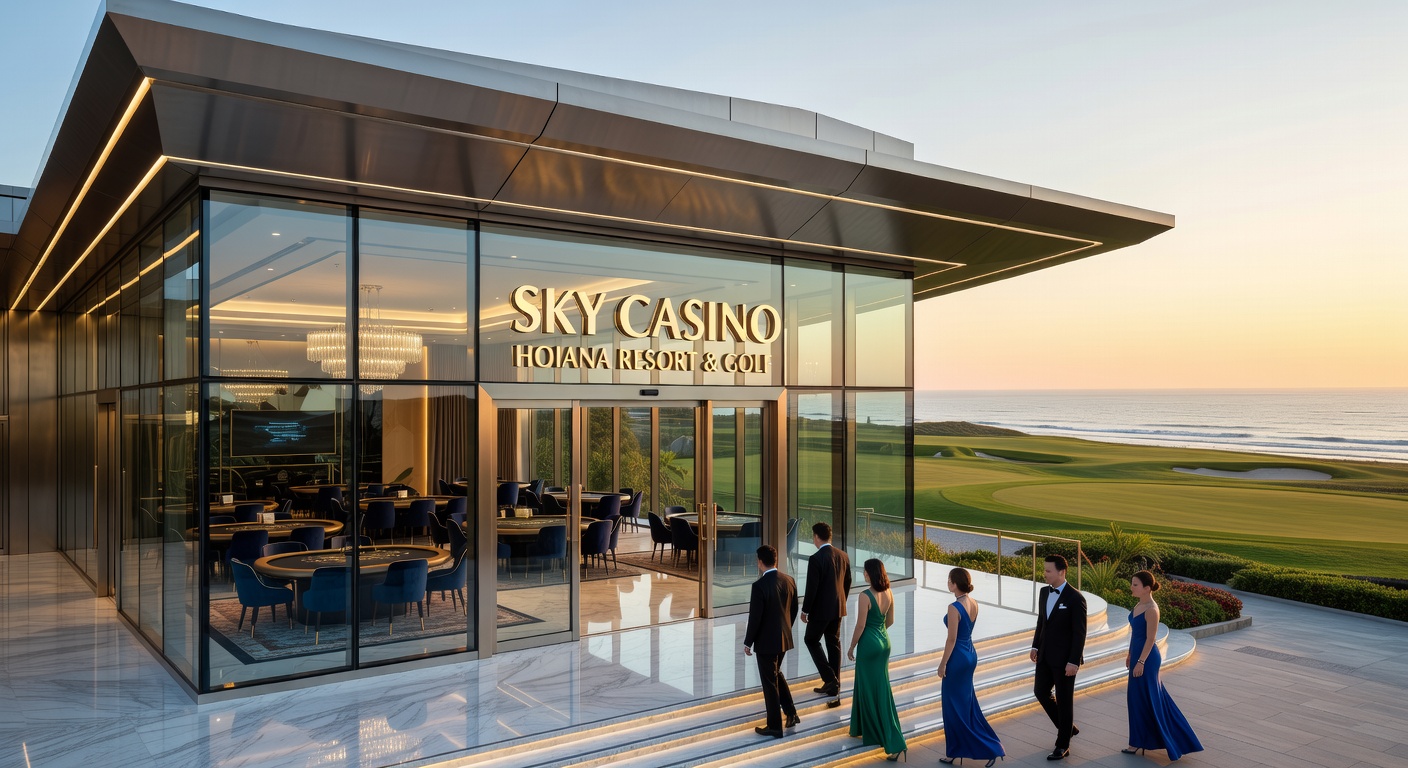
Data from the period shows these elements combined to create a challenging environment for the core gaming business even as the broader revenue base expanded. The carded play initiative represents a regulatory-driven change that requires detailed tracking of player activity and this transition carried both direct implementation costs and indirect effects on customer engagement levels. Meanwhile the Middle East conflict influenced travel decisions for certain visitor segments that historically contributed to high-value gaming activity at SkyCity locations.
Impact of NZICC Opening and Operational Costs
The New Zealand International Convention Centre opening introduced new expense categories during FY26 including staffing infrastructure maintenance and marketing initiatives tied to the venue launch. These costs arrived alongside broader inflationary pressures on wages utilities and supply chains that affected the entire hospitality and entertainment sector. Experts have observed that timing of such large-scale openings often produces temporary margin compression before longer-term revenue synergies fully materialize.
Broader Context for SkyCity Operations
SkyCity Entertainment Group operates across multiple jurisdictions and the FY26 results reflect the interplay between regulatory changes market conditions and capital investment cycles. The company maintains properties in Auckland Hamilton and Queenstown in New Zealand along with an interest in an Adelaide facility in Australia. Each location experienced varying degrees of the same macro influences yet the consolidated figures capture the net effect across the portfolio. Those who've studied similar transitions in other markets note that carded play systems typically require an adjustment period before operators and customers adapt fully to the new framework.
Conclusion
The FY26 results for SkyCity Entertainment Group illustrate how revenue growth can coexist with substantial declines in profitability when structural and external factors converge. The combination of carded play implementation reduced visitation linked to geopolitical events and elevated costs from the NZICC opening created measurable pressure on earnings. Data from the fiscal year ending June 30 2026 provides a clear snapshot of these dynamics and further reporting will reveal how the company navigates the ongoing integration of these changes into its operational model.