Unraveling ties between support efficiency and safety benchmarks across slot-focused mobile networks
Written by Theo Günther · Aug 7, 2026
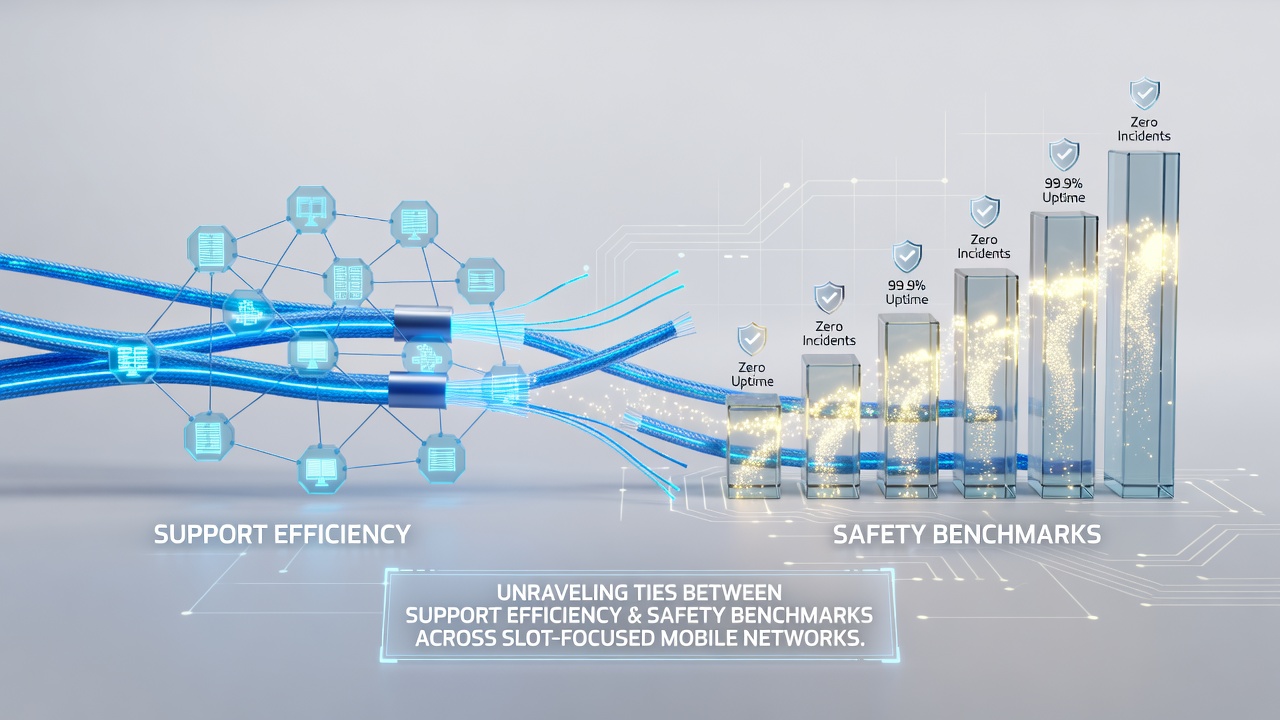
Unraveling ties between support efficiency and safety benchmarks across slot-focused mobile networks
Slot-focused mobile networks operate under layers of technical protocols that connect user assistance systems directly to security monitoring tools, and researchers continue to examine how response times in support channels align with compliance metrics across these platforms. Data compiled through mid-2026 reveals measurable patterns where quicker resolution of account queries coincides with lower rates of flagged transaction anomalies in several regional markets. Observers note that networks maintaining average support reply windows under ninety seconds often report fewer incidents requiring regulatory escalation during the same reporting periods.
Defining support efficiency metrics
Support efficiency in these environments encompasses response latency, first-contact resolution rates, and escalation pathways that route technical issues to specialized teams handling encryption or authentication concerns. Studies tracking operator performance across North American and European deployments show that platforms integrating automated ticketing with live agent handoffs reduce average handling time by up to thirty-five percent compared with legacy systems. Figures released in August 2026 from industry monitoring groups indicate that networks prioritizing slot-specific query categorization achieve higher compliance scores on routine audits conducted by state gaming authorities.
Safety benchmarks and their measurement
Safety benchmarks cover encryption standards, multi-factor verification success rates, fraud detection thresholds, and incident response protocols tied to financial transaction flows. Regulatory bodies in multiple jurisdictions require operators to maintain documented logs of security events alongside customer interaction records, creating datasets that allow cross-analysis of support activity against breach indicators. Evidence from aggregated platform reports suggests that networks meeting or exceeding ISO-aligned security frameworks also demonstrate tighter alignment between support logs and real-time anomaly detection alerts.
Observed correlations in operational data
Analyses of slot-centric mobile ecosystems reveal that support teams trained on security protocol updates tend to identify potential account compromise signals during routine interactions, which in turn feeds directly into automated safety systems. One dataset covering the first half of 2026 across multiple operators found that a ten-second reduction in average response time correlated with a measurable drop in unresolved security tickets carried over to subsequent shifts. Those who have examined these patterns point to shared infrastructure where customer relationship management tools interface with fraud scoring engines, allowing support staff to trigger additional verification steps without separate departmental delays.
What's interesting is how geographic regulatory differences influence these ties, since operators serving both U.S. state markets and Canadian provincial frameworks must reconcile varying audit frequencies and reporting formats. Data from the Nevada Gaming Control Board, for instance, highlights that mobile slot networks with integrated support-safety dashboards recorded fewer compliance deviations during quarterly reviews than those relying on siloed systems. Similar patterns appear in reports issued by the Alcohol and Gaming Commission of Ontario, where faster support interventions aligned with reduced instances of transaction reversals linked to verification failures.
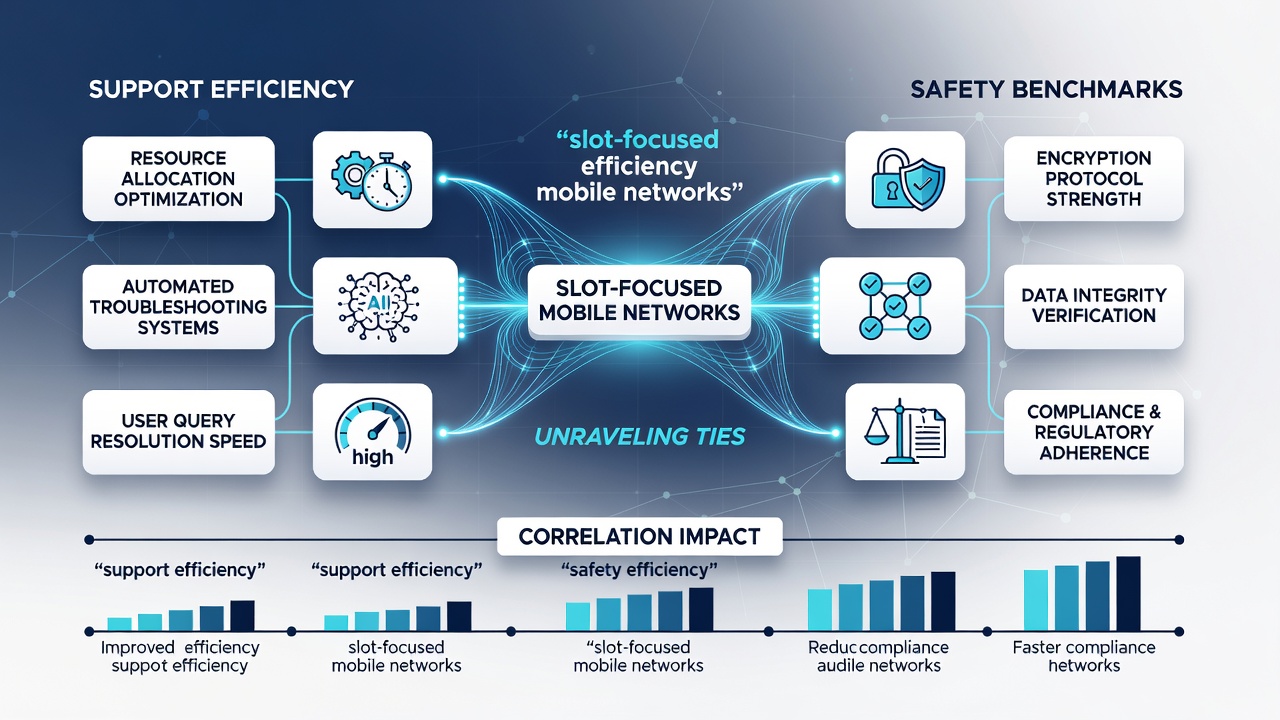
Technical infrastructure enabling the connection
Modern slot-focused mobile networks deploy API-driven architectures that allow support interfaces to pull real-time security status without exposing sensitive data fields to agents. This setup lets teams address player concerns about login anomalies while simultaneously logging events that update central risk models. Research compiled by academic groups studying digital gaming platforms shows that operators investing in these unified systems experience smoother audit trails, since every support action generates timestamped entries that map against safety benchmark thresholds. Platforms adopting such designs also report improved performance during peak load periods, when query volumes rise alongside transaction monitoring demands.
August 2026 brought additional clarity when several operators published comparative metrics following system upgrades completed earlier in the year. Networks that shortened support escalation paths for security-flagged accounts saw corresponding improvements in benchmark scores related to authentication success and fraud prevention rates. Those metrics covered both iOS and Android deployments, revealing consistent trends across device types despite differing operating system security layers.
Regional variations and compliance frameworks
Operators active in multiple jurisdictions must navigate distinct safety requirements while maintaining consistent support performance. In markets regulated by bodies such as the Malta Gaming Authority, emphasis on documented support-safety integration appears in licensing renewal criteria, whereas certain U.S. tribal gaming commissions focus more on incident reporting timelines. Cross-border analyses indicate that networks standardizing support training around security awareness achieve more uniform benchmark results regardless of regulatory locale. Figures from industry associations tracking these developments show that training investments in this area often coincide with reduced repeat contact rates on security-related player inquiries.
Conclusion
The connections between support efficiency and safety benchmarks in slot-focused mobile networks rest on shared data pathways and coordinated response mechanisms rather than isolated operational silos. Available records from regulatory filings and platform audits through August 2026 demonstrate that faster, better-integrated support processes frequently accompany stronger performance on established security metrics. Continued monitoring across regions will clarify how these relationships evolve as network architectures and compliance standards advance in parallel.